Export subsidies – IVACE


Characteristics of IVACE Export Subsidies

The Instituto Valenciano de Competitividad Empresarial (IVACE) is a state body dependent on the Generalitat Valenciana whose main objective is to promote the economic development and competitiveness of companies in the Valencian Community. In this context, one of IVACE’s most important areas of action is export subsidies, designed to promote the internationalisation of companies and facilitate their access to international markets.

IVACE export subsidies are aimed at offering financial support and advice to companies wishing to expand their business activities outside Spain. The aim of this subsidy is to improve the competitiveness of Valencian companies in the global market and to help them overcome the barriers to accessing international markets.


IVACE

1. Promoting Internationalisation through Export Grants

Export subsidies play a fundamental role in IVACE’s internationalisation strategy. This aid is aimed at strengthening the capacity of companies to compete outside Spain, so that companies in the Valencian Community can diversify their network of markets and reduce dependence on national markets. Through export aid, IVACE seeks to enable Valencian companies to become relevant players in global trade.


2. Type of export subsidies

IVACE offers different types of export aid to cover various needs of companies in their internationalisation process. Some of the main types of aid include

  • Direct subsidies: These grants consist of non-refundable economic contributions, which companies can use for export activities such as international market studies, foreign marketing campaigns or participation in international events.
  • Aid for participation in trade trade shows and trade missions: These are intended to finance the presence of companies in international trade fairs or trade missions, which allow them to connect with new customers and distributors in global markets.
  • Export consultancy and innovation: The IVACE also offers grants to finance specialised consultancies that help companies to design internationalisation strategies, study new markets or adapt their products to international demands.

3. Strategic Objectives of the Export Grants

IVACE export subsidies are aligned with the objectives of the Valencian Community in terms of economic development, sustainability and innovation. Among the main objectives of these aids are:

  • Improving international competitiveness: Through export grant, the aim is for Valencian companies to increase their competitiveness in international markets and to position themselves favourably in the global context.
  • Diversification of markets: Export subsidy is designed to encourage the search for new markets, which helps companies to reduce risks and expand their business globally.
  • Encouraging innovation and digitisation: Export grant also supports companies in their digitisation and innovation process, two essential factors in adapting to the new demands of the international market.

IVACE 2

4. Requirements and Conditions for Export Grants

In order to benefit from IVACE export subsidies, companies have to comply with a series of requirements established in each call for applications. Some of the most common requirements include:

  • Being a company from the Valencian Community: Export subsidies are exclusively aimed at companies based in this autonomous community.
  • To be up to date with fiscal and tax obligations: Companies must comply with their tax and Social Security contribution obligations in order to be eligible for export aid.
  • Earmarking aid for internationalisation projects: Export subsidies must be used for activities that contribute to the company’s export or internationalisation process.

It is important that companies consult the specific rules of each call for applications to find out all the requirements and detailed conditions.


5. Scope of Application of Export subsidies

IVACE export grants cover a wide range of activities related to the internationalisation of companies. Some of the most important areas include:

  • Market research: Companies can apply for export grant to carry out market research to help them identify business opportunities in international markets.
  • Participation in international trade shows and events: Export assistance can finance participation in international trade trade shows, where companies can present their products and services to a global audience.
  • International promotion campaigns: Companies can use export subsidies to finance marketing and advertising campaigns aimed at foreign markets, using digital marketing tools or creating promotional materials.
  • Training and advice: IVACE offers export grants to finance training activities, as well as specialised advice that allows companies to improve their export strategy.

6. Benefits of Export grant

IVACE export subsidies offer multiple benefits to companies in the Valencian Community:

  • Cost reduction: Export grant helps to reduce the cost of internationalisation activities, making expansion into international markets more accessible.
  • Access to specialised knowledge: Companies can access specialised advice and training through export subsidies, which allows them to improve their export strategies and processes.
  • Increased international visibility: Participating in international events, financed with export aid, allows companies to increase their visibility in global markets and access new business opportunities.

7. Export grant Application Process

The application process for export subsidies is usually as follows:

  • Call for applications: IVACE publishes annual calls for applications for export grant. These calls detail the requirements, deadlines and types of eligible projects.
  • Submission of applications: Companies must submit their application through the IVACE electronic headquarters, accompanied by the necessary documentation that justifies the export project.
  • Evaluation and resolution: After receiving the applications, the IVACE evaluates the projects and decides which companies will benefit from the export subsidies.


IVACE export aid is a crucial tool to support the internationalisation of companies in the Valencian Community. Through these grants, companies can improve their global competitiveness, access new markets and diversify their commercial network. Export subsidies offer an invaluable opportunity for companies seeking to expand their international presence and adapt to an increasingly competitive global market.


If you would like us to accompany you in your international expansion, please do not hesitate to contact us.
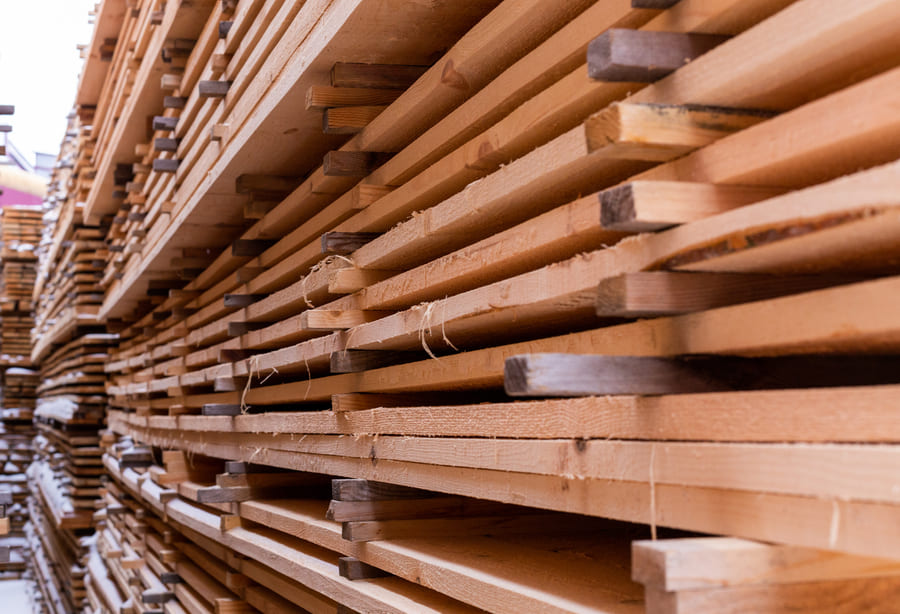
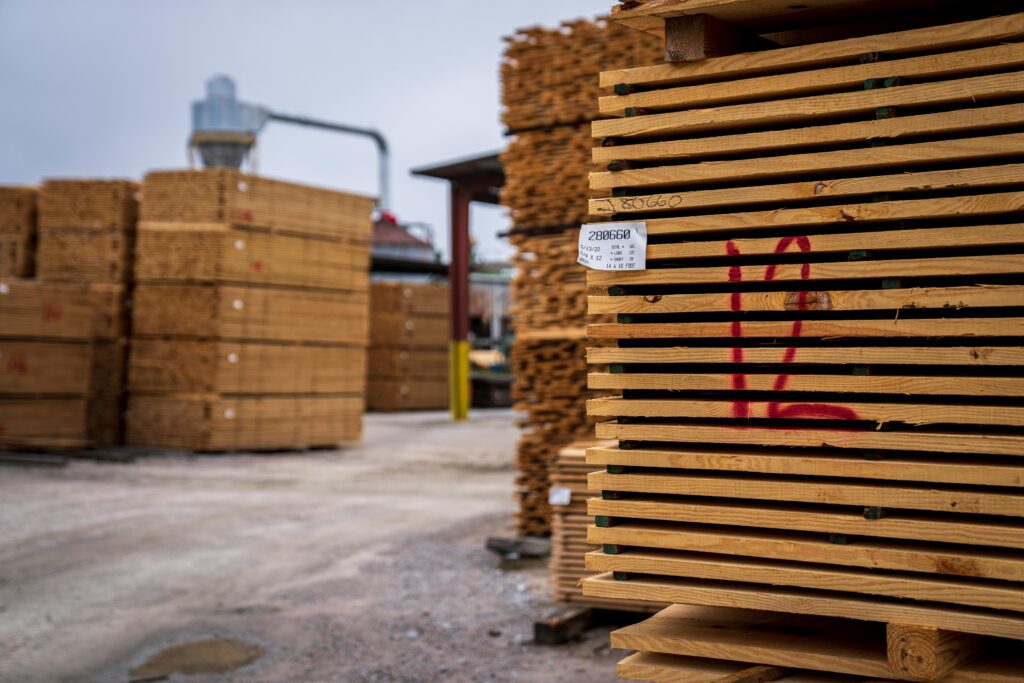
Wood export in Europe 2024: challenges, opportunities and key trends

The wood export in Europe is one of the cornerstones of the materials industry, driven by growing demand in construction, furniture and renewable energy. In this article, we explore the challenges, prices, exporting countries, trends, certifications and the impact of reforestation on this market.


Context of the wood export sector in Europe

Wood is a renewable resource that plays an essential role in Europe’s circular economy. From structural products to decorative applications, the wood market spans multiple industries. In addition, sustainability and interest in natural materials have fostered a resurgence in its use.


Main wood export countries in Europe

Europe is both a major consumer and a major player in wood export. Major wood export countries include:

  1. Sweden and Finland: Notable for their production of softwood, used mainly in construction and as a raw material for paper.
  2. Germany: is a leader in both production and exports, especially of high quality wood for furniture and construction.
  3. Poland and the Baltic countries (Estonia, Latvia and Lithuania): These countries have emerged as important players due to their vast forest resources and competitive costs.
  4. Russia (although to a lesser extent due to recent restrictions and sanctions): Historically, it has been a major supplier of wood to Eastern Europe.

Wood exports 2024 by Barcelona Export

Prices and factors influencing wood export

Wood prices in Europe have been volatile in recent years due to a number of factors:

  1. Pandemic impact: Demand for wood increased dramatically due to the boom in domestic renovations and construction projects, which led to higher prices.
  2. Supply chain disruptions: Logistical constraints and labour shortages influenced transport and production costs.
  3. Climate change: Forest pests and extreme weather events have negatively affected wood supply.
  4. Environmental regulations: Sustainability policies and restrictions on indiscriminate logging have limited the supply of certain types of wood.

Prices are now beginning to stabilise, although economic uncertainty and regulatory policies continue to cause fluctuations.


Challenges for wood export

  1. Global competition: Europe competes with markets such as North America and Asia, which offer competitive prices.
  2. Environmental constraints: Regulations on deforestation and carbon emissions have increased production and export costs.
  3. Resource scarcity: Overexploitation of forests in some regions has led to a decrease in the availability of certain types of wood.
  4. Logistics: The energy crisis and fuel price increases affect transport costs within the continent.

Certifications required in wood export to Europe

Sustainability is a priority for the European wood market. The main certifications required are:

  1. FSC (Forest Stewardship Council): Guarantees that the wood comes from sustainably managed forests, respecting biodiversity and local communities.
  2. PEFC (Programme for the Endorsement of Forest Certification): Focused on ensuring sustainable forest management and promoting reforestation.
  3. EUTR (European Union Timber Regulation): Prohibits the marketing of illegally harvested wood in Europe.
  4. ISO 14001: An environmental certification that ensures sustainable practices in the business management of manufacturers.

Complying with these certifications is not only an obligation, but also a differentiating factor in the competitive European market.


Key trends in the timber sector

1. Use in sustainable construction

The use of timber as a structural material has gained ground over concrete and steel due to its lower carbon footprint. Sustainable construction projects are driving demand for glulam, plywood and solid wood.

2. Automation and digitalisation

The industry is adopting advanced technologies such as automated cutting and digital wood tracking to optimise production and logistics.

3. Reforestation and circular economy

Investment in reforestation programmes has grown significantly, especially in countries such as Sweden and Germany, where public policies encourage the recovery of logged forest areas.

4. Innovations in wood products

New wood treatments, such as thermo-wood and water-resistant coatings, are expanding their applications in sectors such as outdoor furniture and construction.


Reforestation as a driver of sustainability

Reforestation is not only an ethical imperative, but also an economic strategy. Countries such as Norway and Finland have implemented effective policies that ensure that every tree felled is replaced by several new ones. This not only ensures the sustainability of the sector, but also contributes to carbon sequestration and the maintenance of biodiversity.

Moreover, reforestation in degraded areas in Eastern Europe is emerging as an opportunity both to preserve natural resources and to generate employment in rural communities.

Wood export in Europe 2024: challenges, opportunities and key trends

Growth opportunities

  1. New markets in Eastern Europe: Countries such as Romania and Bulgaria are increasing their wood consumption due to booming infrastructure projects.
  2. Demand in the furniture industry: Scandinavia and Germany lead the market for wooden furniture, which continues to grow thanks to a preference for natural materials.
  3. Bioenergy: Wood as a source of biomass is gaining prominence in the European energy transition.

Conclusion

Wood export to Europe combine significant challenges with great growth potential. Environmental regulations and sustainability demands are driving producers to innovate and adopt responsible practices. The key to success lies in capitalising on trends such as sustainable construction, investing in reforestation and diversifying export markets. In this way, the sector can remain a key pillar of the European economy while protecting the environment.

The outsourcing of the export department of Mecanizados Canimarc

From 0 to 65% export in France. Seven years accompanying Mecanizados Canimarc, specialists in small parts machining. The outsourcing of Mecanizados Canimarc ‘s export department has guaranteed these excellent results. And it has led to new challenges, requests, needs, improvements and new business opportunities.

The company Mecanizados Canimarc

Mecanizados Canimarc is a family business in the city of Terrassa, in the province of Barcelona, which machines small parts in series with excellent quality standards. Cecilio Cano founded the workshop in 1995 until his son Marc Cano took over the reins of the family business more than a decade ago.

At Canimarc they are specialists in turning and milling. Their machine park is made up of several machining centres and high-precision Japanese brand milling machines with a low rate of technical incidents. They also have a 3D digitising arm for the metrology and tolerance control of all their parts. The company has become a solid partner in the machining of metal parts, combining tradition and experience with innovation and high technology. And the new project of the new generation is to internationalise the company by contracting Barcelona Export to outsource the export department.

La externalización departamento exportación Mecanizados Canimarc, especialistas en torneado y fresado, parque de máquinas by Barcelona Export

Aims of the project

Mecanizado Canimarc contacted us with the aim of internationalising its services to France. The company had previously carried out some indirect operations through intermediaries in the French market, which confirmed the competitiveness of its services, but had not yet carried out any direct international commercial actions. It understood that to be successful it had to focus its efforts on doing what it did best, machining metal parts to the highest quality. And to outsource the export department of Mecanizados Canimarc to a consultancy specialising in the French market.

We set to work to write a good company profile, a company presentation to send by mailing and the French version of the corporate website was created. We jointly defined the objectives, the profile of the potential client and analysed the sectors with the highest return in order to create a tailor-made database.

We carried out a market study to understand the machining situation in France and came to the conclusion that the average prices of our French competitors were significantly higher, which gave us a clear competitive advantage. With these premises, we began to penetrate the French market.

Industrial subcontracting in France

Seven out of 10 companies use industrial subcontracting as a strategic measure. These are specialised services with the aim of becoming more efficient in production and structurally lighter and thus gaining business competitiveness.

The turnover of the French industrial subcontracting sector for the manufacture of metal parts by machining using techniques such as milling, turning, drilling or grinding amounted to 100 billion euros in 2022.

These parts are used in a multitude of sectors, such as the manufacture of automobiles, aircraft or industrial machinery for agricultural use or construction, among others. The sector is highly fragmented and is mainly made up of small companies, although some well-known medium-sized companies have emerged, such as Mecachrome, Figeac Aéro, Nexteam or LPF, driven by investment funds that aim to consolidate the sector.

Industrial subcontracting companies in France are concentrated in the east of the country. The Rhône-Alpes region generates 20% of the French sector’s turnover and Ile-de-France 16%. The Centre-Val de Loire area is home to some of the largest reference manufacturers and assemblers with a high demand for industrial subcontracting such as Sealed Air, Faiveley, Daher, Thalès Avionics, John Deere, Hutchinson, Socofer, Zodiac Seats, MBDA, Paulstra, Delphi Diesel Systems France, SKF or Mecachrome among others. 50% of the companies subcontracted by these companies are from outside France.

France is a very attractive market in industrial subcontracting for Spanish companies, especially from the Basque Country and Catalonia, due to its geographical proximity, high technical level, excellent customer service and price competitiveness. And with the outsourcing of Mecanizados Canimarc’s export department, we are also getting closer culturally, thanks to the language skills of our interlocutors.

Results of the project

Since we started our collaboration, taking over the outsourcing of the export department of Mecanizados Canimarc,the percentage of exports of the company has gone from 0 to 65% of its total turnover, consolidating a stable and recurrent portfolio of French customers. We have accompanied them on several commercial trips to France to visit potential clients that have emerged from the prospecting of the personalised database that we set up.

As a result of internationalisation, we have worked on the optimisation of internal processes such as quality control and the implementation of new production protocols. We have also increased our machine park with the acquisition of a Faro arm for dimensional measurements.

The outsourcing of the export department of Mecanizados Canimarc by Barcelona Export

For Barcelona Export it has been a pleasure to work and accompany the company Mecanizados Canimarc and its manager, Mr. Marc Cano in its export strategy in France. His high quality, reactivity and seriousness has allowed us to achieve these good results in the outsourcing of the export department. Our best wishes to Mecanizados Canimarc!

Cupons ACCIÓ 2024 for export initiation

ACCIÓ is the agency for competitiveness of the Catalan agency, among its services and aid are the Cupons ACCIÓ 2024 for export initiation, which aim to help small and medium enterprises to take firm steps towards international expansion.

With a 100% subsidy of up to €8,000 for consultancy services, you can hire our Export Manager service and start generating business opportunities in international markets. The director of Barcelona Export, Isabel Garcia, is an accredited advisor specialised in the area of Internationalisation by ACCIÓ and has accompanied hundreds of companies to successfully face their international challenges.

Accreditation stamp Acció - Cupons de ACCIÓ 2024 for export initiation
Acció accreditation stamp

Barcelona Export will also help you throughout the administrative process, from the preparation of the documentation for the grant application to the final justification to obtain the reimbursement of the amount.


How do I apply for Cupons ACCIÓ 2024 for export initiation?

Normally ACCIÓ opens the call for applications every year at the beginning of May; from the opening date, companies can apply for aid by submitting an application form, a technical report and other documents. The grants are awarded in order of receipt of applications, so it is a non-competitive process and we must be quick to obtain the subsidy.

Barcelona Export will help you with the whole process: we will prepare the compulsory technical report personalised for your company and we will help you to submit the form and the application through the Generalitat’s company channel. From there, we will wait for the final resolution from ACCIÓ and then we will get to work.

Given that the budget usually runs out quickly, we advise you to contact us as soon as possible in order to have all the documentation ready before the call for applications opens.

Cupons ACCIÓ 2024 for export initiation by Barcelona Export


Which companies can apply for the Cupons Acció 2024 for export initiation?

These Cupons (grants for exporting) are aimed at small and medium-sized companies, i.e. companies with a turnover in the year prior to applying for the coupon of between 100,000 and 50 million euros and with fewer than 250 employees. In addition, the export volume may not exceed 25% of the total turnover. The main conditions that companies must meet to receive this aid are:

  • Turnover: Have a minimum turnover of ¤100,000 and a maximum of ¤50 million (or an annual balance sheet total not exceeding ¤43 million).
  • Employees: Less than 250 people employed.
  • Export volume of less than 25% of turnover in the previous year.
  • Tax obligations: No debts with the Tax Authorities, Social Security, ACCIÓ or its subsidiaries.
  • Compatibility of de minimis aid: the amount of de minimis aid may not have exceeded 200,000 euros in a period of 3 fiscal years.
  • Gender equality plan in companies with more than 50 employees.
  • Plan against sexual harassment in the company when the company has more than 25 employees.
  • To have an occupational risk protectionplan for its staff.
  • Not having a contractual relationship with the consultant to facilitate the transparency processes of public resources.
  • Not having applied for the export initiation voucher the previous year: no company may apply for this aid for two years.
  • Advance payment of the service to the consultant: the company must have paid the consultant the cost of the programme during its development, before submitting the final justification in order to receive reimbursement from ACCIÓ.
  • 21 months are available for the advisor to carry out the export action. The schedule is agreed between the company and the advisor.
  • Minimum investment of 80% of the amount of the grant: the maximum amount is 8,000 euros and a minimum of 80% of the amount requested may be used.


What functions will we perform as Export Manager during the execution of the Cupons ACCIÓ 2024 for export Initiation?

  • Market Research: We will carry out international prospective actions, identifying business opportunities and detecting possible entry barriers. We will also study the need to adapt products or services to the culture of the country and we will monitor the movements of the competition and demand.
  • Definition of the international commercial strategy: we will design and define the export strategy, covering the prioritisation of target markets, the selection of exportable products and services, pricing in the different markets, logistics, selection of payment methods and risk management.
  • Adaptation to regulations and standards: we will ensure that the company is aware of the regulations of each market and the need to have the necessary certifications, coordinating with the quality department.
  • Negotiation and commercial relations: we will negotiate commercial collaborations with purchasing centres, chains, franchises, distributors, commercial agents or end customers.
  • Promotion and marketing: we will design marketing strategies and actions in international markets, such as participation in trade fairs or professional social networks, among others.
  • Management, reporting and analysis: we will monitor and manage the usual operations of the department, such as the exchange of budgets and orders. We will write reports and justify the deviations from the objectives set in your commercial strategy.

Are you interested in applying for the Cupons ACCIÓ 2024 for Export Initiation? Contact us

Going international gives companies a very important boost and improves their overall competitiveness. The Cupons ACCIÓ 2024 for export Initiation are a great help to start and consolidate in international markets. Barcelona Export will help you make the most of this aid to analyse foreign markets and generate new business opportunities.

If you want to take advantage of the opportunity to start or consolidate your international sales and you need help with the administrative procedures to apply for the subsidy, contact us and leave it in our hands. Fill in the form and we will contact you as soon as a new call for applications opens.


Contacta con nosotros y solicita los Cupones de ACCIÓ de Inciación a la Exportación

Tile and porcelain tile exports in Europe

Tile and porcelain tile exports in Europe play a crucial role in the building materials sector, especially in the EU, a market that combines tradition, innovation and sustainability. This article explores the main aspects of European tile and porcelain exports, highlighting key opportunities, challenges and trends.


Importance of tile and porcelain tile exports in the building materials sector

The building materials sector is an economic engine that drives not only infrastructure development, but also the renovation of residential, commercial and industrial spaces. Within this panorama, tiles and porcelain tiles represent a category of high added value due to their functionality, durability and design. Exporting these products allows manufacturers to reach new markets, diversify risks and strengthen their global presence.


European market context

Europe stands out as one of the largest consumers and producers of tiles and porcelain tiles in the world. Countries such as Italy and Spain lead in production and exports, while markets such as Germany, France and the United Kingdom represent major sources of demand. This dynamism is due to the constant renewal of architectural trends and the focus on energy efficiency in buildings, where ceramic materials play a prominent role.


Characteristics of the European tile and porcelain tile exports

The European market is highly competitive and demanding. Consumers value the quality, design and sustainability of products. In addition, diversification in terms of colours, textures and finishes makes it possible to cater for both high luxury projects and more functional demands.


Main exporting countries and their products

Italy and Spain are the major players in the tiles and porcelain tiles export in Europe. The Italian industry is known for its focus on design and technological innovation, while Spain stands out for its production capacity and price competitiveness. Other countries such as Portugal, Poland and Turkey are also gaining ground, especially in specific market segments.


- La exportación de azulejos y porcelánicos a Europa
- Tile and porcelain tile exports in Europe
- L'exportation de carrelages et porcélaniques en Europe
- L'exportació de rajoles i porcelànics a Europa

Factors influencing the tiles and porcelain tiles exports in Europe

Product quality and design

Quality is a non-negotiable aspect in the European market. Products must meet high technical and aesthetic standards to compete successfully. In addition, design is a key differentiating factor; European consumers are looking for pieces that are in line with the latest trends in interior design and architecture.


European regulations and standards

Exporting tiles and porcelain tiles to Europe requires compliance with strict regulations related to safety, environmental impact and sustainability. Certifications such as CE marking are essential to ensure that products comply with the technical and legal requirements of the European Union.


Logistics and distribution

Europe’s geographical proximity facilitates land and sea transport, but logistics remains a challenge. Timeliness, product integrity during transport and inventory management are key to maintaining competitiveness.


Export challenges

Competition in the European market

The European market is saturated with high quality products, making competition fierce. Manufacturers must differentiate themselves through innovation, customisation and excellence in customer service.

Impact of sustainability on the industry

Sustainability is a critical factor in the building materials industry. European consumers prefer products that are green and environmentally responsible, forcing exporters to adopt sustainable practices in their production and logistics processes.


Growth opportunities

New trends in tile and porcelain design and use

Current trends include the use of large formats, natural finishes and technologies that imitate materials such as wood or marble. In addition, tiles with antibacterial and self-cleaning properties are gaining popularity in a post-pandemic context.


Emerging markets within Europe

Although traditional markets such as Germany and France continue to lead in consumption, Eastern European countries such as Poland, Hungary and the Czech Republic are showing significant growth in the demand for tiles and porcelain tiles. This phenomenon is due to the development of infrastructures and an increase in purchasing power.


Conclusion

The tile and porcelain tile exports in Europe presents a promising but challenging outlook. Quality, design and sustainability are essential factors for success in a competitive and demanding market. Despite the challenges, growth opportunities in emerging markets and innovative design trends offer an exciting path for exporters. In the future, the key will be to adapt to the changing needs of European consumers while maintaining a firm focus on excellence and sustainability.