
How to Successfully Participate in International Trade Shows: The Complete Guide for SMEs

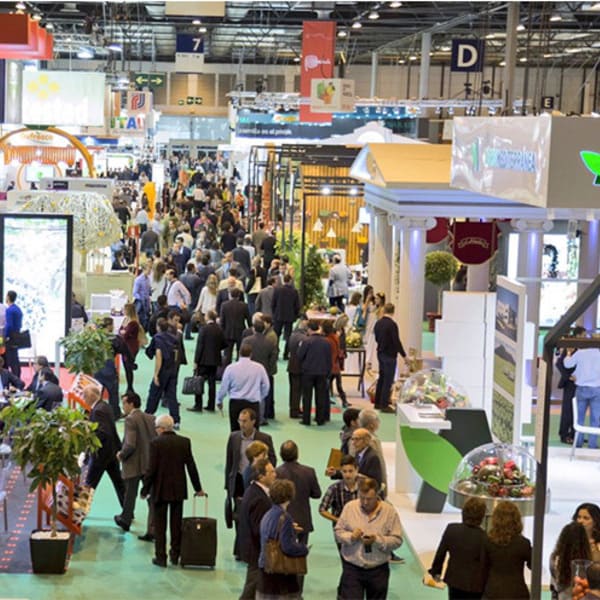
Why Participating in International Trade Shows Remains a Key Driver of International Growth
Participating in international trade shows remains one of the most effective ways for companies to expand into foreign markets. In just three or four days, an SME can meet dozens of buyers, distributors and commercial agents that would otherwise take months to reach through conventional sales activities. No other commercial initiative concentrates so many business opportunities in such a short period of time and in a single physical location.
However, there is one key factor that distinguishes companies that achieve real business results from those that return home with nothing more than a bag full of business cards: successful trade showsparticipation is never the result of improvisation. It requires careful preparation, clear objectives, a well-trained team and, above all, a structured follow-up process after the event. Without this final step, even the best trade fair quickly becomes an expense with little or no return on investment.
At Barcelona Export, in collaboration with Foment del Treball, we support dozens of Catalan companies every year throughout this entire process, from selecting the most appropriate trade show to evaluating the results several months later. This guide explains, step by step, the essential aspects to consider before, during and after participating in international trade shows.
Before Participating in an International Trade Shows: Preparation Makes the Difference
Most of the mistakes companies make when exhibiting at international trade shows happen before they even arrive at the exhibition venue. Ironically, this preparation phase often receives the least attention, even though it determines much of the event’s eventual success.
1. Define Clear and Measurable Objectives
Participating in a trade fair to generate new customers, find a distributor or commercial agent, launch a new product, or simply conduct market research and analyse competitors are completely different objectives. Each one determines your budget, the promotional material you need to prepare and the profile of the team attending the event.
A company looking for distributors requires a very different sales pitch and documentation from one selling directly to end consumers. Defining your objectives clearly from the outset prevents wasting valuable time and resources on activities that do not contribute to your real business goals.
2. Choose the Right International Trade shows for Your Sector and Business Stage
Not every exhibition within your industry offers the same value for your specific product or service. You should evaluate the size and international reputation of the event, the profile of visitors and buyers, the presence—or absence—of your direct competitors and, above all, the cost of participating in relation to the expected return on investment.
In many cases, a smaller but highly specialised trade fair focused on your niche market will generate far more business opportunities than a large, general exhibition.
3. Build a Realistic Budget
A professional trade show budget should include stand rental and construction, travel and accommodation for your team, promotional materials and product samples, freight and logistics costs, as well as a contingency budget for unexpected expenses.
Underestimating these costs is one of the most common mistakes made by companies starting to export. It often results in cutting back on precisely those elements that have the greatest commercial impact, such as an attractive stand design or high-quality marketing materials translated into the language of the target market.
4. Schedule Meetings Before The International trade shows
Pre-event prospecting—using the organiser’s B2B platform, LinkedIn, or ACCIÓ’s international trade offices in the target country—can dramatically increase the return on your participation.
Waiting until the exhibition opens before trying to generate contacts means missing the opportunity to arrange meetings with the most promising prospects, many of whom will already have fully booked schedules before the event even begins.

During International Trade Shows Participation: Qualify Contacts and Do Not Simply “Show Up”
Once you are at the stand, the challenge is no longer attracting attention, but managing each interaction effectively. This means qualifying every contact using a simple system (for example, A/B/C depending on their level of interest and purchasing potential) and collecting structured information from each one: company name, product of interest, estimated purchasing volume and, most importantly, the next agreed step with that person.
Observing competitors exhibiting nearby—their prices, sales message, stand design and the type of visitors they attract—is also part of a smart trade show strategy, as it provides valuable market intelligence that is difficult to obtain in any other context. The additional activities organised by the trade fair, such as sector conferences or networking sessions, often go unnoticed but can generate high-value contacts that would never visit your stand.
After Participating in International Trade Shows: Where the Real Return on Investment Is Decided
This is the moment of truth: most of the real value generated by a trade fair happens after the event, not during the exhibition days. The companies that achieve the best results are those that carry out immediate follow-up with the contacts they have generated. The first 48 hours after the trade fair are critical, as this is when prospects still clearly remember the conversation they had with you.
Leads should be classified according to priority (combining decision urgency with business potential) and followed up with personalised proposals that explicitly refer to the conversation held at the stand. A generic email sent two weeks later rarely generates a response.
Finally, always measure the return on investment (ROI) of the trade fair using a simple formula:
Trade fair ROI = (Net profit generated − Total participation cost) / Total participation cost
Documenting the key learnings in a brief post-trade fair report—what worked, what did not, and the actual budget spent—will allow you to make decisions based on objective data rather than assumptions. This will help you determine whether it is worth participating again the following year and identify how to improve the results of future editions.

Financial Support for Participating in International Trade Shows: ACCIÓ’s International Promotion Grants
ACCIÓ’s International Promotion Grants provide Catalan companies with funding covering up to 50% of the eligible costs of participating in international trade shows, among other internationalisation activities.
These grants are specifically designed for SMEs looking to accelerate or strengthen their export strategy and that often see the initial investment required to exhibit at an international trade fair as a significant barrier to entry. If your company meets the programme’s eligibility requirements, this financial support can substantially reduce the economic risk associated with your first—or next—international trade fair participation.
Would You Like to Participate in International Trade Fairs with a Solid Plan?
At Barcelona Export, we help you choose the right international trade fairs, prepare your sales and marketing materials, and implement an effective post-event follow-up strategy so that every euro you invest delivers measurable business results.
Contact our team and discover how we can support your international trade fair strategy while helping you access the ACCIÓ International Promotion grants, which can cover up to 50% of your eligible participation costs, for your next international trade fair.