We accompanied our client to Smart City World Congress 2017


Our consultancy is present at the Smart City Expo World Congress 2017 to assist and accompany one of our clients, a custom software developer with its own QA (Quality Assurance) department.

The Smart City Expo World Congress 2017 was held in Barcelona, Spain, from November 14 to 16, 2017. It is one of the most significant events globally for urban innovation and the development of smart cities, bringing together leaders from various sectors, including government, business, and academia, to discuss the future of urban living.

Here are some key details about the 2017 edition:

Key Highlights:

  • Technological Innovations: Among the innovations showcased, there were solutions aimed at improving urban mobility, energy efficiency, waste management, security, and healthcare. Startups and large companies alike highlighted their role in leveraging technology to create sustainable, livable, and more efficient cities.
  • Theme: The 2017 edition of the Smart City Expo was centered around the theme of “Better City, Better Life,” with a focus on the importance of cities as spaces for sustainable development, innovation, and inclusion. The event explored how technology and innovation could improve urban life while addressing challenges such as climate change, mobility, and social inequality.
  • Exhibitions: The event featured more than 400 exhibitors showcasing cutting-edge solutions and technologies aimed at transforming urban environments. These included innovations in areas such as mobility, energy, housing, healthcare, and urban infrastructure. The exhibition offered a platform for companies to display smart solutions for cities to become more efficient, sustainable, and livable.
  • Participants: The event attracted over 20,000 attendees from more than 140 countries. Participants included mayors, city officials, technology companies, start-ups, researchers, and urban planners, making it a global meeting point for stakeholders in the smart city ecosystem.
  • Keynote Speakers: The event featured a range of prominent speakers, including political leaders, CEOs, and experts in urban development and technology. Some of the key speakers included:
    • Ada Colau, Mayor of Barcelona, who emphasized the role of cities in driving the global sustainability agenda.
    • Carlos Moreno, a professor and expert in smart city and urban planning, who discussed concepts such as “The 15-Minute City,” which aims to ensure that all urban needs (work, education, healthcare) are within a 15-minute walk or bike ride.
  • Topics Covered: The Smart City Expo World Congress 2017 covered various pressing topics that cities across the globe face. These included:
  • Urban Mobility: Discussions on how to improve transportation networks, reduce traffic congestion, and increase the use of sustainable transport modes, such as electric vehicles, cycling, and public transit.
  • Circular Economy: Strategies for rethinking waste management and resource use, with the goal of minimizing waste, recycling, and promoting sustainability.
  • Digital Transformation: The role of emerging technologies like AI, IoT, and data analytics in transforming urban services and infrastructures, making them smarter and more responsive.
  • Social Inclusion and Equity: Ensuring that smart cities are inclusive and benefit all residents, with particular attention to social equity and the provision of accessible services for marginalized communities.
  • Smart City Awards: The Smart City Expo also hosted the Smart City Awards, which recognized the most innovative and impactful smart city projects worldwide. The awards celebrated urban initiatives that showcased the use of technology and innovation to improve the quality of life for citizens.
  • Global Networking: The event provided opportunities for collaboration and knowledge sharing among cities, corporations, entrepreneurs, and government officials. Many countries and cities presented their own smart city projects and initiatives, enabling global dialogue on the future of urban living.
  • Side Events and Workshops: In addition to the main program, there were side events, workshops, and panel discussions that allowed participants to dive deeper into specific topics. These provided a more hands-on and practical approach to understanding the challenges and solutions related to smart cities.
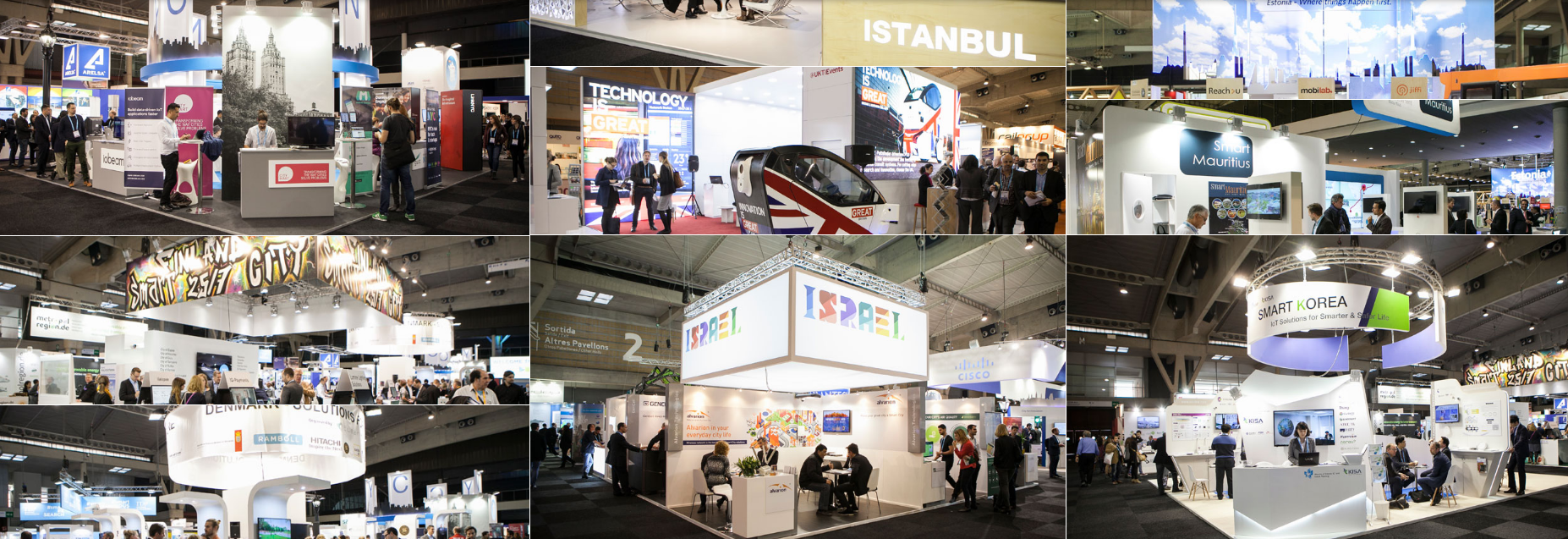
Smart City World Congress 2017, Barcelona

We also had the opportunity to participate in the Brokerage Event where more than 1264 meetings were arranged and 400 companies from 38 different countries participated. It was a pleasure to meet companies with a wide variety of products and technologies that needed our services to expand their business internationally.

Among the most innovative products on display, we had the opportunity to discover geolocation applications that include a multitude of measurable parameters, such as pollution, the presence of gases, humidity, etc. Open data applications to provide cities with a multitude of applications containing valuable information for citizens: bus timetables, hospitals, concerts, rubbish collection schedules, taxes, etc., all brought together in a single application. Drones that help to measure the architectural parameters of a building under construction, energy efficiency applications, test circuits for the cars of the future, independent and pilotless, windows containing photovoltaic panels to store solar energy and give energy autonomy to homes.

In its seventh edition, the list of cities, countries and pavilions exhibiting are:

  • Andorra Metropolitan Area of Barcelona
  • Aspern
  • Aurangabad
  • Australia
  • Austria
  • Baden-Württemberg
  • Barcelona
  • Bayern
  • Belgium
  • Berlin
  • Bizerte
  • Brussels
  • Bucaramanga
  • Busan
  • Casablanca
  • Chile
  • Denmark
  • Lódz
  • London
  • Taipei
  • Tarnów
  • Tel Aviv
  • UN-Habitat
  • USA USA
  • Vienna
  • Wallonia
  • Zheijhang
  • Dubai
  • Estonia
  • European Commission
  • Finland
  • Flanders
  • Generalitat de Catalunya
  • Germany
  • Grenoble
  • Netherlands
  • India
  • Israel
  • Italy
  • Japan
  • Karlsruhe
  • L’Hospitalet de LLobregat
  • Leeds
  • Lyon
  • Madrid
  • Montevideo
  • Moscow
  • New York
  • Norway
  • Prato
  • Puebla
  • Quebec
  • Rivas Vaciamadrid
  • Russia
  • Selangor
  • Spain
  • Sweden

If you wish to be accompanied to a trade show, please do not hesitate to get in touch with us.


B2B meetings between Spanish companies and French sales agents


B2B Meeting between Spanish companies and multi-portfolio sales agents

Barcelona Export organises several times a year B2B meetings by sector between companies and commercial agents in different European markets.

These B2B meetings bring together companies with strong export potential and commercial agents of the corresponding sector in the selected country, previously identified, evaluated and selected by our consultants.


-Encuentro entre empresas españolas y agentes comerciales multicartera
- B2B meetings between Spanish companies and French sales agents

-Trobades B2B entre empreses i agents comercials multicartera

The B2B meetings organised by Barcelona Export are an excellent opportunity for companies to connect with commercial agents and potential partners in different European markets. These events allow companies to explore new business opportunities, exchange ideas and establish valuable business relationships.

By focusing on specific sectors, the B2B meetings can be very effective, bringing together professionals with similar interests and needs. They also facilitate networking and knowledge sharing, which can be highly beneficial to the growth and expansion of participating companies.


Barcelona Export offers you a reliable methodology for your search for commercial agents:

– Export diagnosis of the company

In this initial phase, an analysis of the company’s strengths and weaknesses is carried out in order to detect possible opportunities. All aspects and departments of the company are analysed: financial and human resources allocated, knowledge and production capacities, knowledge of international markets, …


– Definition of the commercial strategy in the selected country and definition of the sales channels.

The exporting company and Barcelona Export jointly explore the commercial strategy to be followed and define the best channel of entry into this new market in accordance with its own characteristics and those of the service/product to be exported. Entry can be direct (direct sales to end consumers) and/or indirect (through distribution networks or sales agents). It is essential to adapt the marketing strategy to find the perfect combination.


– Defining the profile of the sales agent to look for

Once the marketing strategy has been defined, the profile of the commercial agent to be sought is defined: the type of clientele, the sectors around which its activity is based, the services/products it already represents, those it will not represent, its area of geographical coverage, …


– Individualised search, for each company participating in B2B meetings, of agents corresponding to their profile.

Once the desired agent profile is established, our team of consultants will contact on behalf of each company the commercial agents of the sector corresponding to the profile defined in our database of commercial agents.

Our consultants will introduce the company, answer any questions and provide a native speaker intermediary to the commercial agent within the company.

Once interest in the portfolio has been identified, an individual job interview will be conducted for each agent in order to be able to draw up a CV summarising the structure of their activity: years of activity, motivations, requirements, working methods and tools, turnover, brands represented, area of coverage, % of commission…

– Pre-selection of the corresponding profiles and their submission to the companies.

– Organisation of the agendas that will be delivered to each company and agent a few days before the meeting.

– Support in the negotiations in the target language and coordination of the event on the day of the event.

If you would like to participate in one of our B2B meetings, please do not hesitate to ask us about the terms of your possible participation.


Barcelona Export offers you a reliable methodology to find with exit your independent sales agents:

– Export diagnostic of the company

During this initial phase, a SWOT analysis of the company is lead in order to detect potential opportunities. Each aspect and department of the company is examined : allocated human and financial resources, knowledge and production capacity, awareness and knowledge of international markets, …


– Definition of the commercial strategy in the targeted country and definition of the distribution channels

The soon-to-export company and Barcelona Export will explore together the international sales strategy to adopt and define the best entrance channel in the new market regarding its own characteristics and the exported product/service’s ones. The entrance may be direct (selling directly to the final customers) and/or indirect (through distribution channels or multi-card independent sales agents), that’s why it is essential to adapt the sales strategy in order to find the perfect combination.


– Definition of the profile of the independent sales agent

Once the sales strategy is established, comes the profile definition of the independent sales agent: the profile of his clientele, the sectors around which his activity is articulated, the products/services he already represents, those he mustn’t represent, his geographical coverage area,…


– Individual research, in the name of each company participating to the meeting, of independent sales agents corresponding to the established profile

Once the agent’s profile is confirmed, our team of consultants will contact for each company the independent sales agents of the sector the independent sales agents from our database that fits the requirements set

Our consultants will present the company, answer to potential questions, and will offer a native intermediary inside the company to the freelance sales agent.

Once the interest for representing the company is confirmed, an individual interview will be led for each agent in order to fill a resume form about his structure’s activity: years of activity, motivations, requirements, working methods and tools, turnover, represented companies, coverage area …


– Pre-selection of the profiles and submission of the descriptive CV to each company participating in the B2B meetings


– Organization and coordination of the meeting schedules, given to each company et each agent a few days before the B2B meetings


– Negotiation support in the non-mastered language and coordination of the event on D day


See more about our last B2B event : Meeting in Paris in the metallurgical sector

Export consultant for the Go Global program

Barcelona Export joined the group of experts in exportation of the Go Global program, launched in september 2017 by the Tecnocampus of Mataro, in order to ease the internationalization process of tecnological companies of the Maresme region.


What is the Go Global Program?

Go Global Program is an accompanying program during the internationalisation process based on the growth of local companies at an international level.

Go Global Program also helps start-ups which have exceeded the validation of their products or services on their market and which are internationally-oriented.


The Go Global Program in the press

Read full article and interview of our consultant in La Vanguardia : Internationalization, a bet of growth


Other presentation:

Watch the video presentation of Go Global Program:

https://www.youtube.com/watch?v=MK7vFgfSn9k


Barcelona Export, the expert in leading an export group


What is a export group?

A export group is constituted by a group of exporting companies with complementary products that join together to open a new international market, thus sharing experience, effort and cost, while strengthening their product offering.


What are the determining factors in deciding whether to export alone or as part of an export group?

Some of the factors that we should study and that will help us to make our decision to be part of an export group are: our previous export experience, the existence of complementary products to ours, the difficulty of the target market, whether we have an extensive or reduced range of products, investment capacity, capacity to attend special orders, involvement of the management in the export project, company size, international marketing knowledge, possibility of establishing synergies and collaborations with other companies, etc.


What are the characteristics of an export group?

An export group is a voluntary cooperation between companies that have complementary products with which they can reinforce their global offer and that have defined common objectives. In addition, they coincide in time , prospecting the same final market, sharing budget and business plan. Thanks to the export group, they share costs and risk.


The main characteristics are:

1. Collaborative Structure:

  • Partnerships and Alliances: An export group is made up of multiple companies (often from the same or related industries) that work together with a shared goal of expanding into international markets. Each member typically retains independence, but benefits from collective cooperation.
  • Common Goals: The group’s main aim is to facilitate trade and overcome barriers that may be too difficult or costly for individual members to address alone.

2. Resource Sharing:

  • Cost Sharing: Members share the costs associated with international trade, such as marketing, shipping, market research, and participation in trade fairs.
  • Shared Knowledge: Members exchange information and experiences about entering foreign markets, including regulatory insights, customer preferences, and best practices in logistics or negotiation.
  • Shared Infrastructure: Some export groups may establish common logistical or distribution channels to lower the cost of transport, warehousing, and distribution in international markets.

3. Targeted International Market Expansion:

  • Market Entry: Export groups help small and medium-sized enterprises (SMEs) enter foreign markets more effectively by offering access to distribution networks, local agents, or partners already in place.
  • Geographical Focus: The group might focus on specific international regions or countries where individual businesses might not have the resources to expand independently.

4. Diverse Member Profiles:

  • Varied Company Sizes: Members can range from small enterprises to larger firms, each contributing different strengths. Smaller companies benefit from the collective marketing and market entry support provided by the group.
  • Industry-Specific or Cross-Industry: Some export groups are formed by businesses within a specific industry, while others might include companies from different sectors that share common export interests or synergies.

5. Joint Marketing and Branding Efforts:

  • Cooperative Marketing: Export groups often participate in joint marketing campaigns, including shared advertising, promotional events, and exhibitions at trade shows.
  • Shared Branding: A group may create a collective brand or logo to enhance its credibility and recognition in international markets, helping individual companies gain visibility and trust.

6. Risk Mitigation:

  • Shared Risk: The risks involved in international trade (e.g., financial, logistical, legal, and political risks) are distributed across the members. This makes entering new markets less risky for individual businesses.
  • Access to Insurance or Financial Support: Some export groups can offer or help members obtain trade credit, insurance, or government-backed export finance options.

7. Access to Support Services:

  • Expertise and Training: Export groups often provide access to training, seminars, or workshops to help members understand the complexities of international trade, including compliance, documentation, and cultural differences.
  • Advisory Services: Many groups provide advisory services, such as market research, regulatory guidance, and export planning, often facilitated by industry experts or government programs.

8. Governance and Organization:

  • Formal or Informal Structure: Export groups can be formal (with legal agreements, governance structures, and membership fees) or informal (looser collaborations without binding agreements).
  • Management and Coordination: A managing body or coordinator often oversees the group’s activities, ensuring that resources are efficiently used, strategies are aligned, and communication is streamlined among members.

9. Innovation and Continuous Improvement:

  • Market Adaptation: The group adapts to market trends and evolving international trade dynamics, providing members with up-to-date insights on consumer preferences, technological innovations, and potential growth areas.
  • Feedback Loop: Export groups encourage feedback from members to continuously improve operations, refine strategies, and better serve international customers.

10. Compliance with Regulations:

  • Legal and Regulatory Knowledge: An export group often helps its members navigate the complex world of international regulations, tariffs, and trade laws, ensuring compliance with local and global standards.
  • Standardized Documentation: The group may provide standardized export documentation (invoices, customs declarations, etc.) to ensure all members meet the necessary legal requirements when exporting goods.

11. Joint Networking:

  • Shared Network Access: Members benefit from the established networks of other group participants, including trade representatives, local business associations, and governmental trade promotion bodies.
  • Collaborative Networking: Export groups offer opportunities for networking at events, exhibitions, and trade missions, which may be difficult for individual firms to access on their own.

12. Strategic Focus on Long-Term Growth:

  • Sustainability: Export groups often have a long-term focus, aiming not just for short-term market access but for sustainable and diversified growth in multiple international markets.
  • Scalability: The collective nature of the group can provide a foundation for scalable growth, as businesses can increase exports in a coordinated manner.

13. Support from Government or Trade Organizations:

  • Government and Institutional Support: Some export groups are formed or supported by governmental trade bodies, export councils, or industry associations. These bodies may offer additional funding, training, or market intelligence.
  • Incentives and Grants: Governments and trade organizations may offer incentives or grants to encourage small businesses to join export groups and promote national exports.

What advantages does it offer?

There are many advantages and it is worth bearing them in mind: an exporting group allows you to share experience with other companies in the same sector with which you can empathise in terms of needs and problems, reduce the costs of international prospecting, increase economies of scale, reinforce the offer, have a greater impact on the channel and lower HR costs.

  1. Cost Sharing and Economies of Scale: Export groups can pool resources for joint marketing, shipping, and distribution, reducing individual costs. This collective approach allows smaller companies to benefit from the economies of scale typically enjoyed by larger firms.
  2. Access to New Markets: Export groups often have better access to international markets due to their collective experience and networks. They may have established relationships with distributors, retailers, or agents in foreign countries, helping businesses tap into new markets faster and more effectively.
  3. Risk Diversification: By being part of a group, the risks of international trade (e.g., currency fluctuations, political instability, or changing regulations) are shared among the members. This can make entering foreign markets less risky for individual companies.
  4. Improved Bargaining Power: A group of companies can negotiate better terms with suppliers, freight forwarders, and other service providers due to the combined volume of exports. This improved bargaining power can lead to lower costs for logistics, customs, and other trade-related services.
  5. Sharing of Knowledge and Expertise: Export groups often provide members with access to specialized knowledge, advice, and expertise on international trade practices, regulations, marketing strategies, and market trends. This can help businesses navigate complex export processes more efficiently.
  6. Increased Competitiveness: By collaborating with other companies, members of an export group can improve their competitive edge, as they are better equipped to handle challenges in international markets. This can lead to enhanced product offerings and more effective marketing strategies.
  7. Stronger Market Presence: Export groups often participate in international trade shows and promotional activities as a collective. This helps increase the visibility of all member companies in foreign markets, amplifying their presence and credibility.
  8. Export Incentives and Support: Some governments and trade organizations offer incentives, grants, or funding to export groups, making it more affordable for small and medium-sized businesses to explore new markets. Additionally, export groups may be able to access specialized training, trade missions, and networking opportunities.
  9. Compliance and Regulation Support: Navigating international regulations, tariffs, and trade laws can be complex. Export groups often provide resources to help members stay compliant with foreign trade regulations, minimizing the risk of legal issues or fines.
  10. Shared Logistics and Distribution Networks: Export groups can create shared logistics and distribution systems to streamline the movement of goods. By pooling resources, companies can ensure better, more reliable delivery to international markets, while lowering individual logistics costs.

In short, being part of an export group allows businesses to lower costs, reduce risks, and increase efficiency in expanding internationally. This collaborative approach can provide invaluable support, especially for smaller companies with limited resources.


Are there any disadvantages?

Like any other decision we make, however positive it may be, it will also have some disadvantages. In this case we should highlight the loss of autonomy, and the tensions derived from the different business conceptions, company image and work rhythms.

If you wish to be part of an export group, please do not hesitate to get in touch with us.
10 food companies from the Maresme at the International Food Trade Show Sial Paris 2016


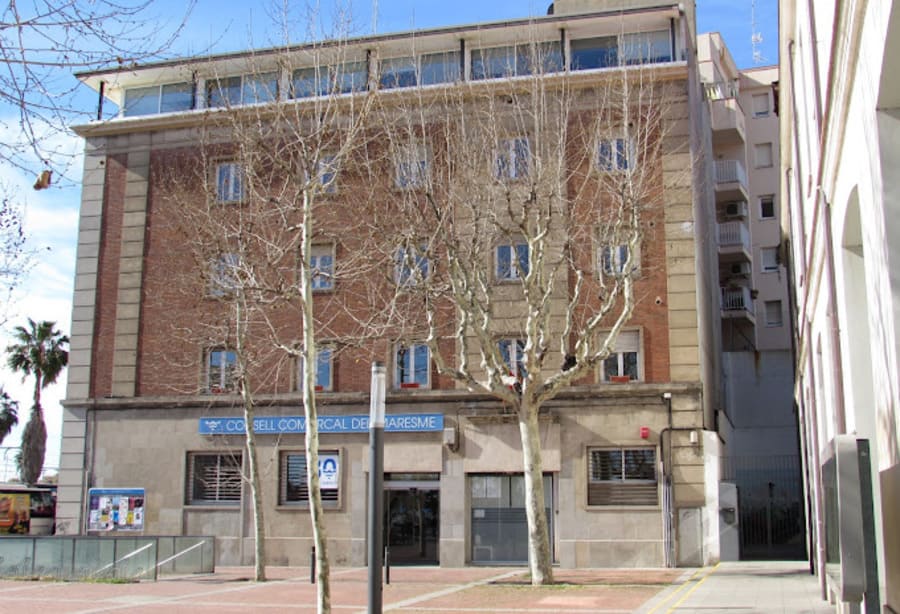
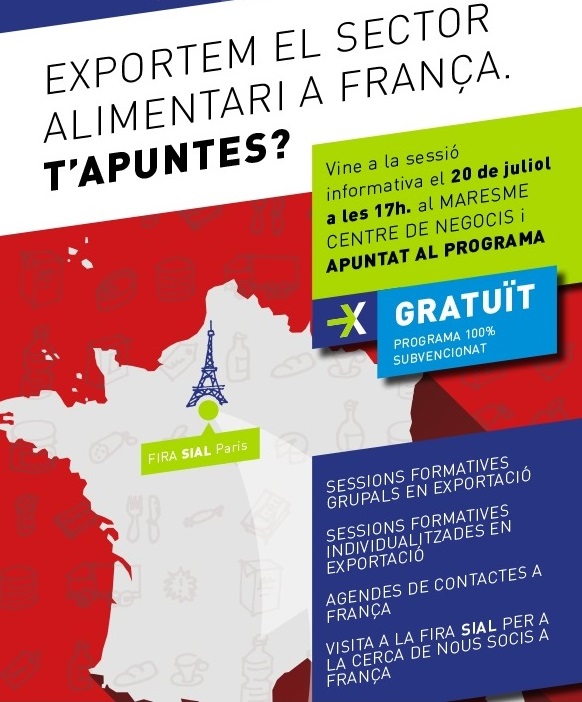
10 food companies from the Maresme region will visit Sial Paris 2016, from 16 to 20 October . All of them are part of the programme ‘Let’s export the Maresme food sector to France’. Promoted by the Consell Comarcal, and implemented by Barcelona Export, the project is part of the CCM’s line of action to help Maresme companies to open up markets in France.


Why Sial Paris 2016?

SIAL Paris 2016 is one of the most important international trade shows in the food sector, held in Paris, France. This event brings together food industry professionals from around the world, including producers, distributors, and buyers, providing a platform for innovation and the exchange of ideas. At Sial Paris 2016, a wide variety of food products are presented, from fresh food to processed products, and conferences and workshops on market trends and sustainability are held. It is an excellent opportunity for companies to showcase their products and establish business contacts.


Why France?

Precisely because of the proximity and the characteristics of the products produced by each of these ten entrepreneurs, the French market was chosen as the market for the expansion of these companies.

Exporting food products to France can be an excellent opportunity for several reasons. Firstly, France is known for its rich gastronomic culture and its appreciation of food quality. This means that there is a potential market for high quality, innovative or unique food products.

In addition, France’s geographical location in Europe facilitates access to other European markets, which can further expand business opportunities. Also, the country has a well-developed infrastructure for product distribution and marketing, which can facilitate the export process.

Finally, if the product has characteristics that are in line with current trends, such as being organic, sustainable or gourmet, it can capture the attention of French consumers, who increasingly value these aspects. In short, exporting to France can open many doors and be a great strategy for growth in the European market.


Mission to Sial Paris 2016

The ten companies are travelling to Sial Paris 2016 as visitors and with an agenda of professional interviews already established and defined according to each product. In all these aspects they have received advice and support from Barcelona Export, specialists in the French-speaking food market.


Participants in Sial Paris 2016

Two of the companies that will travel with the Maresme expedition are Eco Integral Artesans from Mataró, and La cuina de la Iaia from Argentona. The Maresme expedition to Paris is completed by Balate, Bouquet d’Alella, Torres, Xips ve de gust, Siro & Xavi, Viñals Soler, Ca l’Espinaler and Sweet Express.

Vinisud and Vinovision 2019, the wine trade show in France


Vinisud and Vinovision 2019: the next edition of the Mediterranean wine trade show will take place from 11 to 13 February 2019 at the Parc des Expositions de Paris Nord Villepinte. For the first time, they will be held together and thus combine two major French trade shows.


Vinisud and Vinovision – the world of Mediterranean wines

Ranked among the top 5 trade shows for buyers, Vinisud and Vinovision bring together numerous Mediterranean wine producers as well as trade buyers from all over the continent.

1,500 exhibitors from countries such as Spain, Italy, Portugal, Tunisia, Morocco, Algeria, Greece, Israel, Lebanon, Cyprus, Malta, Turkey, Croatia, Bosnia-Herzegovina, Serbia, Bulgaria, Slovenia, Macedonia and France present their wines and offer them for tasting.

Around 30,000 trade visitors join the fair to take advantage of this B2B event. Unlike in recent years, the next edition of Vinisud will not be held in Montpellier: in 2019, the Parc des Expositions de Paris Nord Villepinte will open its doors to welcome visitors from all over the world. Vinisud will continue to be held in Montpellier in even-numbered years.


Vinovision – the international trade show for cool climate wine

French cool climate wines are produced in the north of France and include not only red, rosé and white wines, but also most French sparkling wines, such as the world-famous Champagne.

The trade show is the perfect complement to Vinisud and takes place in Paris in odd-numbered years. For this reason, this 2019 edition brings Vinisud and Vinovision together under the same exhibition grounds on the same dates.

Vinovision is an specialized wine exhibition dedicated to showcasing wines from regions with cooler climates, which are often associated with specific viticulture techniques and distinct wine profiles. Cool-climate wines are generally produced in regions that experience cooler growing seasons, often resulting in wines with higher acidity, fresher flavors, and a more refined structure. These wines are typically made from grape varieties that thrive in such climates, such as Pinot Noir, Chardonnay, Riesling, and Sauvignon Blanc.

Vinisud y Vinovision 2019 1
Vinisud and Vinovision 2019 1
Vinisud et Vinovision 2019 1
Vinisud i Vinovision 2019 1

Vinisud and Vinovision, France and the wine industry

Wine consumption patterns: due to the increase in the number of people who only consume wine casually, as well as non-consumers, the overall amount of wine consumption in France is decreasing. However, wine is still seen as the most popular alcoholic beverage when based on sales value. Moreover, after tap water and bottled water, wine is the drink most frequently found on a French table.

However, it is not for nothing that France is known for its wines: France is not only one of the largest wine producers in terms of hectolitres, but is also among the top three wine exporting countries (together with Spain and Italy). These three countries account for more than half of the world’s wine exports, both in terms of sales value and volume. Although France’s sales volume might be lower than that of its neighbours, its sales value is notably higher, showing the dominance of premium wines in France.


The French ‘Wine Week with Vinisud and Vinovision

February is said to be the most favourable buying period in the wine calendar. In addition to Vinisud and Vinovision, the WWM Global Business Meetings will be held in early February: From 7 to 10 February 2019, they will take place at the 5-star Hotel du Collectionneur in Paris. Thus, a 7-day period will be dedicated to wines thanks to the three successive events (WWM Global Business Meetings, Vinisud and Vinovision).


Barcelona Export in the wine sector

Barcelona Export already has extensive experience in accompanying companies in the wine sector in their internationalisation process. During Vinisud and Vinovision 2018, we supported our client Bouquet d’Alella at the fair and were able to establish more than 50 contacts from various countries around the world. Also in the 2019 edition, it will be a pleasure to help winegrowers to promote their business internationally.

Please do not hesitate to contact us if you think you need our services.

Industrial subcontracting export group in France


For more than 10 months Barcelona Export has been managing the commercial prospecting of an industrial subcontracting export group in France.

This industrial subcontracting export group in France is composed of 3 companies: a company of hot stamping of brass parts, a company of custom and standard fittings and a third company of stainless steel sheet metal and laser cutting.


Target market of the industrial subcontracting export group in France

The opening of the French market was set as a business plan.


Distribution channel of the industrial subcontracting export group in France

The search for end customers was agreed in all three cases, as well as certain differences depending on each of the participating companies. To date, we have already organised several commercial agendas in France to visit both commercial agents and distributors of some of the products. We have also met with some of the sales agents to facilitate negotiations between the company and the agent.


Prospecting results of the industrial subcontracting export group in France

Two of the companies already have firm orders and new customers and the third one is in the selection phase of the different agents presented. All of them have several profiles of multi-portfolio commercial agents interested in representing their products.


Costs of the export group

This of the industrial subcontracting export group in France was formed thanks to the last 2015 Acció grants to support exporting groups. The subsidie covered 40% of the cost of the consultant. These three companies have been able to open or consolidate their presence in the French market by minimising prospecting costs and strengthening their joint offer.


I you wish to be part of an export group, please, do not hesitate to get in touch with us.

Final tips before tackling the international trade show Sial Paris 2016


The last tips before leaving for the Sial Paris international trade show

After having selected the food companies that will be part of the export group that will visit the Sial Paris 2016 international trade show, it is time for the final preparations. With less than a week to go before the start of this international trade fair, all the companies already have agendas of contacts interested in their products and those they will be able to meet during their next visit to the neighbouring country.

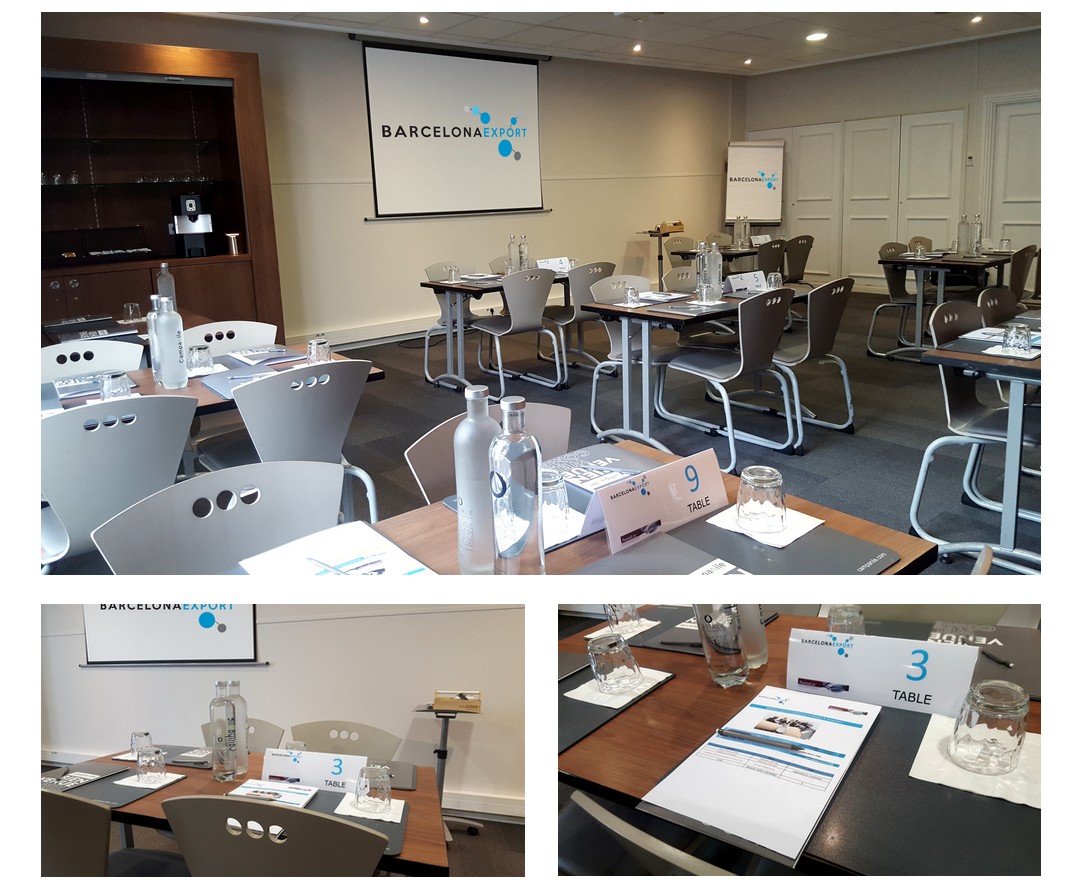
The mixture of excitement and nervousness is palpable and it is time to pack. We have organised the last joint meeting before taking off on this new international adventure. At the headquarters of the Regional Council of Maresme they have received great institutional support, which is fundamental in helping to promote our products.


What to bear in mind for a good international trade show?

Hotel: choosing a good hotel is essential. It is advisable to book it in advance, as on the dates of the international trade show they are usually at full capacity and the prices go up a lot. The criteria, apart from price and comfort, should be related to the distance to the trade show. Booking a hotel close to the trade exhibition will reduce the level of fatigue and meetings within the fairgrounds. This will create an atmosphere of greater proximity and trust, strengthening personal ties.

Flights: as with hotels, so with flights. It is advisable to book them in advance in order to get the best possible combinations at the best prices.

Promotional documentation: Prepare well in advance the printing of brochures, fact sheets, leaflets and price lists to make sure you arrive on time.

Contacts during the trade shows: Prepare a contact book to staple your business cards in so that you can take notes of relevant comments. We need to keep all the contacts we have made and that will allow us to carry out effective post-fair actions, commercially speaking. To do this, it is important not to forget to bring stapler/s to ensure that we do not lose any of our contacts’ business cards.

Agenda: before setting the agenda and the different meetings that we will have during the days of the international trade show, it is necessary to visit the website of the international fair and its maps in order to prepare the route and the interviews that we want to hold, confirming that we will have time to arrive punctually to the different appointments.

Key pavilions: apart from the agenda of meetings you have agreed at the international trade show, do not hesitate to study the exhibition’s floor plan to detect the pavilions of interest in terms of sector trends. And don’t leave the fair without having visited them. You are sure to learn a lot and get ideas for new projects for your company.

Invitations: before the trade show, invite your clients and potential clients to visit your stand to show them your products, innovations and international involvement. Send the invitations in time to schedule the visits and be able to give them the time they deserve.

Samples: consider the possibility of travelling with samples that can be presented during the interviews.

Trolley (suitcase with wheels) to comfortably carry the documentation and samples that we will be collecting from the different stands. You will be more comfortable than carrying a suitcase that at the end of the day will weigh more than you imagined.

Clothing: appropriate for the occasion. Analyse whether it is a sector that usually wears a suit or a more casual dress and try to dress according to the sector. Don’t forget to wear comfortable shoes, as at the end of the day you will have walked a lot on a heavy surface, such as the exhibition carpet.

We hope these tips will help you in your attendance/visit to your next international trade show.

Barcelona Export finalist to go to Sial Paris 2016


Barcelona Export has been chosen by the Consell Comarcal del Maresme, as the consultancy agency in charge of accompanying 10 companies of the food sector of the Maresme region to SIAL Paris 2016.


Why companies of the food sector of the Maresme?

This is a year in which Catalonia has been declared European Region of Gastronomy 2016. And we wanted to take advantage of this interest from the rest of Europe in our gastronomy to promote its international projection.


And why did the companies of the food sector of the Maresme go to SIAL Paris 2016?

The Maresme region, located on the coast of Catalonia, is known for its rich agricultural tradition and its production of high quality local products. Among the companies producing the land in this region, those involved in agriculture, viticulture and artisanal food production stand out.

Some of the most emblematic products of companies of the food sector of the Maresme include:

  • Fruit and vegetables: The region is famous for its strawberries, tomatoes, peppers and other crops that benefit from the Mediterranean climate.
  • Wines and cavas: The Maresme also has wineries that produce quality wines and cavas, taking advantage of the characteristics of the terrain and climate.
  • Olive oil: Some companies are dedicated to the production of extra virgin olive oil, using local varieties.
  • Artisan products: There is a growing number of producers making products such as jams, preserves and other gourmet foods, often using local ingredients.
  • Organic farming: More and more businesses in the region are adopting organic farming practices, offering sustainable and environmentally friendly products.

La xarxa dels productes de la Terra is a voluntary grouping of local entities at regional level, promoted and coordinated by the Diputació de Barcelona, with the aim of strengthening the business fabric of local and quality food products from the land and sea of the province of Barcelona. The Consell Comarcal del Maresme is one of the promotional bodies. The Land Products Network covers practically the entire territory of the province of Barcelona, through its members.


What does this export programme to boost companies of the food sector of the Maresme consist of?

It is an export group of 10 companies that, being in the same sector of activity, are complementary, pursue the same objectives and can share export experience, while strengthening their joint offer and taking advantage of the synergies that each of them can bring to the group, and wish to visit all together Sial Paris 2016.


- programa exportador para impulsar las empresas alimentarias del Maresme
- export programme to boost food companies in the Maresme area
- Un programme d'exportation pour pousser les entreprises agroalimentaires de la région du Maresme
- programa exportador per a impulsar les empreses alimentàries del Maresme

What activities are offered within the programme?

  • Group training sessions on exporting
  • Individualised training sessions to design the commercial strategy of each of the participating companies.
  • Accompaniment to the Sial Paris 2016 trade fair.
  • Agendas of commercial agent contacts
  • Distributor contact agendas
  • Contact agendas for end customers
  • Adaptation of each company’s marketing material to the culture and language of the country.

Objectives of the programme

  • To initiate or consolidate the internationalisation project of the participating SMEs.
  • Provide them with the basic tools to start their export project
  • To introduce them to one of the most prestigious trade fairs in the European food sector, SIAL Paris.
  • To learn first-hand about trends in the sector
  • Learn about the receptiveness of your product in the French market.
  • Get to know the French food market
  • Improve international negotiation techniques
  • Get to know the main food hubs, clusters and associations.

We would like to thank the Consell Comarcal del Maresme for the trust placed in Barcelona Export and we hope to be able to collaborate again in the future.