Spanish Fashion world-wide context

Spanish fashion has been in full growth since 2016, having as its main allies the member countries of the European Union, thanks to which sales were generated to the value of 14,064 million euros in the course of 2016 itself, and which continue to grow successively in the following years to reach results that demonstrate a success in the sector.


Several years of growth in Spanish fashion exports

The surprise in exports within the Spanish fashion sector came in 2016 with the aforementioned figures, but far from remaining an anecdotal rise, this phenomenon was consolidated in the following years, presenting in 2017 a 7.4% increase in exports in the sector, reaching 24,000 million euros.

According to data obtained by the Spanish Institute for Foreign Trade (Icex), the year 2016 saw the highest growth in Spanish fashion exports, surpassing the previous record generated in 2013, and since then it has not faltered, generating positive figures and raising this industry as one of the fastest growing in our country. Spain has consolidated its position as the third largest exporter of fashion in Europe.

In the last decade alone, the Spanish fashion industry has boomed in several European countries such as Poland, Croatia and the Czech Republic. The latter, as a newcomer to the European Union, has seen Spanish fashion conquer its market and increase its sales to double or triple compared to the previous decade, with Italy, Portugal and the United Kingdom still being the largest markets.


Big and small Spanish fashion brands: the same positive result

Although the big Spanish fashion brands have become accustomed to succeeding abroad and even to giving prestige to the quality of the country’s textiles, they are not currently the only winners in the sector’s exports, as medium-sized and small firms are also finding their place, to the point of obtaining large foreign investments.

Of the top 14 Spanish fashion brands, 10 of them already belonged totally or partially to foreign investors in 2018, so there is great interest in the possibilities of Spain’s textile sector, and industries in other countries are increasingly looking at possible moves in this field, with new or established businesses likely to close deals in the European Union.
la moda espanola en el mundo 1 
The Spanish fashion in the world 1 
La mode espagnole dans le monde 1 
La moda espanyola en el món 1

Huge foreign capital investments in the sector

It cannot be overlooked that the Spanish fashion export boom also goes hand in hand with the aforementioned growth of foreign investors, as financial companies are involved in a multitude of companies all over the world, and the fact is that the Spanish fashion industry is also growing in terms of foreign investment.

companies all over the world and have been looking for years at those that are located and developed in Spain, investing large amounts of capital in them.

The fact that large investors are interested in this sector in general means that they can give a boost to smaller brands, boosting the Spanish fashion market in all ranges and improving the possibilities for expansion, negotiation with other markets and the inclusion of new technologies.


The most international Spanish fashion brands

Spanish fashion brands have achieved notable international recognition, standing out in the competitive world of global fashion. Zara and Loewe are two of the most emblematic, establishing themselves as benchmarks of style and quality throughout the world. However, they are not the only ones to shine in this field; other brands such as Mango, Desigual, Bershka, Pull & Bear, Massimo Dutti, Stradivarius and Oysho have also achieved a prominent place in the Brand Finance Spain 100 report, where they are recognised as the most valuable brands in Spain. These brands not only reflect Spanish creativity and talent, but have also been able to adapt to global trends, bringing the essence of Spanish fashion to a diverse and wide audience.

la moda espanola en el mundo 2
The Spanish fashion in the world 2
La mode espagnole dans le monde 2
La moda espanyola en el món 2

Entry navigation

The cosmetics sector in Spain

The cosmetics sector in Spain has been growing steadily for some years now. The interest in skin and hair care, in addition to perfumery and make-up continues to grow around the world, and Spain is no exception to this reality, where the cosmetics sector is beginning to accumulate years of sustained growth.

The global cosmetics market was valued at 461.6 billion euros in 2017 and according to OrbisResearch.com, in a study published during the first quarter of 2018, the sector is estimated to grow by 7.14% year-on-year until 2023. That would put the cosmetics sector at €710.5 billion.

Astronomical profits of which the cosmetics sector in Spain would be a participant as one of the top 10 world exporters of perfumes and cosmetics.


The cosmetics sector in Spain

In constant growth

It would not be an exaggeration to consider that for the cosmetics sector in Spain, the crisis is more than over. After the major downturn it experienced in 2008, the sector has started to recover.

In the financial year 2017 there was a growth of 2.2% compared to 2016, with a market value of 4,271 million euros. According to the Spanish Beauty cluster, growth for 2018 would be a further 2-3%. Although there is a slowdown in the growth rate, the upward trend continues.

Skin care products represent the most important segment of the sector in the Iberian Peninsula, with 28.1% of sales. It is followed by toiletries (25.3%), perfumes and fragrances (18.8%), hair care products (18.3%) and decorative cosmetics (9.5%).

The health of the cosmetics sector in Spain is in line with international projections and trends. The desire of men and women to take better care of their appearance, preserving a more youthful appearance, is an important factor.

For Spain, the sector is also an important source of employment with more than 35,000 direct jobs and an estimated 200,000 indirect jobs.


Exports of the cosmetics sector in Spain on the rise

In terms of exports from Spain to the international market, which is our main focus, the outlook for the cosmetics sector in Spain is very positive. Cases such as the accelerated growth of exports to the Chinese market are proof of this.

At the end of 2018 it was reported that exports to the Asian giant had grown by 267% in one year. Although Spain’s market share is still small compared to France, South Korea and Japan, growth is well above that of these countries.

As for the latest figures available, exports grew by 11.5% in 2017, to stand at €3,508 million. More than 50% of these exports are within the European Union with Portugal, France and Germany as the main markets. The main non-EU destinations are the United States, United Arab Emirates, Hong Kong, Mexico, Russia, Chile and Morocco.

The analysis of Spain’s trade balance that we recently published ranks the sector 12th in exports and 18th in imports, with the volume of business tilted in favour of the Spanish industry.


Cosmetics sector in Spain

The future of the cosmetics sector in Spain

The future of the cosmetics sector in Spain looks very dynamic and full of opportunities. The beauty industry is constantly evolving, driven by trends such as sustainability, personalisation and the use of advanced technology.

One of the highlights is the growing interest in natural and organic products. Consumers are increasingly aware of the ingredients they use, which has led many brands to reformulate their products and adopt more sustainable practices. This not only benefits the environment, but also responds to the demand for healthier and more ethical products.

In addition, digitalisation is transforming the way brands connect with consumers. E-commerce platforms and social media play a crucial role in promoting and selling products, allowing brands to reach a wider and more diverse audience. Personalisation, through technologies such as artificial intelligence, is also gaining ground, allowing companies to offer experiences and products tailored to individual customer needs.

Finally, innovation in formulations and new product development will remain key. Research in areas such as biotechnology and dermatology is opening up new possibilities to create more effective and safer products.

In summary, the cosmetics sector in Spain has a bright future, marked by sustainability, innovation and a closer connection with consumers. It is an exciting time for the industry!

If you want to take your export project to Europe or North Africa, do not hesitate to contact us. We can offer you our Export Manager service.

Opportunities in the electronics sector in France

Over the last few years , the electronics sector in France has been affected by a shortage of components, which has been quickly solved by a clear start-up to improve its productivity and sourcing, gradually lifting the industry and turning it into an interesting source of opportunities for investors or external suppliers.


The stagnation of the electronics sector in France

After a few years of stagnation, the electronics components market in France seems to be starting to see the light of day, surprising the various suppliers who were predicting a much slower recovery of the sector in this country; these producers had adapted their purchasing strategies to protect themselves from the instability of the electronics sector.

Today, this industry is in a moment of widespread mobilisation and thanks to the digital transformation, large investments are being made in the sector, which is becoming an unexpected focus of opportunities for business creation or international trade exchange.


Public authorities in the electronics sector in France

The electronics sector in France managed to attract the interest of the public authorities by obtaining its own strategic committee within the framework of the national industry council, which is concluding a four-year contract with the state focused on innovation, international development and restructuring of the sector.

This is a great opportunity for those companies in the electronics sector in France that have been suffering for a long time, but also for the recovery of international business and strategic investments from neighbouring countries that will find a new context in the French industry.


Growth and new opportunities in figures of the electronics sector in France

After two years of zero growth, analysts had rather modest forecasts for the electronics sector in France, predicting a 3.3% growth in annual revenues for the semiconductor industry, and the surprise was that they increased by 20.6% in 2017, which translates to $409 billion by the end of the year.

This sudden growth in a seemingly damaged electronics sector took many industry players by surprise, although it may also have given rise to self-interested practices that were worth being wary of at the start of the boom, but are now stable and growing, at a time when there are exciting business opportunities to be had.


- El sector de la electrónica en Francia
- The electronics sector in France
- Le secteur de l'électronique en France
- El sector de l'electrònica a França

The right time to think of France as an opportunity

France is currently experiencing a remarkable boom in its electronics industry, driven by innovation and investment in technology. This growth has been aided by a vibrant ecosystem that includes dynamic startups, cutting-edge research centres and strong government support for digitisation. French companies are leading the way in areas such as artificial intelligence, robotics and sustainability, which is not only attracting international attention, but also positioning the country as a benchmark in the European tech scene. This resurgence not only promises to transform the French economy, but is also creating new job opportunities and fostering a collaborative environment across sectors, which bodes well for the future of the electronics industry in France30


The future of the electronics sector in France

The future of the electronics sector in France looks very promising. With the continued drive towards digitalisation and sustainability, the industry is expected to continue to grow and evolve. Investment in research and development, especially in areas such as artificial intelligence, the Internet of Things (IoT) and renewable energy, is set to generate innovations that will transform both the production and consumption of electronic products.

In addition, government support and technology-friendly policies are creating an environment conducive to the emergence of new start-ups and the expansion of established companies. This will not only foster competitiveness, but also attract international talent and global collaborations.

Also, growing awareness of sustainability and the circular economy is leading companies to adopt more responsible practices, which could result in greener and more durable electronics products. In short, we can expect an electronics sector in France that is not only innovative and competitive, but also aligned with the needs and values of the future.

Opportunities in the electronics sector in France 1

Shortage of components and real opportunities in the French market

The electronics industry in France has experienced a significant shortage of semiconductors, affecting the production of various electronic devices. Essential components such as ARM chips and processors have been particularly scarce, causing delays in the manufacture and distribution of electronic products.

This shortage has had a notable impact on sectors such as the automotive industry, where French manufacturers have had to temporarily suspend vehicle production due to the lack of semiconductors essential for engine control and driver assistance systems.

In addition, the shortage of chips has affected companies such as Kubii, the official French distributor of Raspberry Pi and other electronic products, which has experienced difficulties in meeting the demand for microcomputers due to the limited production of semiconductors.

It is important to emphasise that, in 2022, the import of electronics into France was worth 353,712 million dollars, representing 43.17% of its total imports. This percentage reflects France’s high dependence on imports in the technology sector in exports.

If you want to export electronics to France , do not hesitate to contact us. We will be happy to help you.

Spain’s trade balance in 2019: what we buy and what we sell

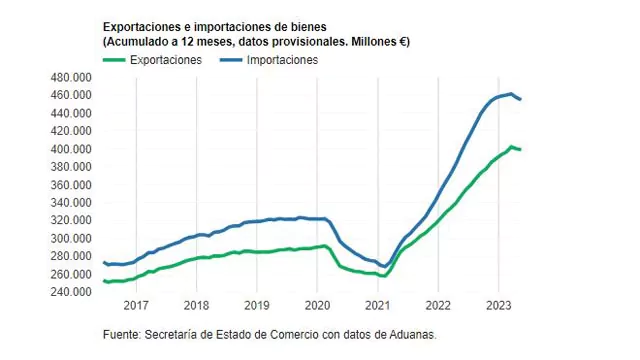
Spain’s trade balance has undergone significant changes over the years, reflecting the evolution of its economy and its integration into the European and international market. In general, the trade balance refers to the difference between exports and imports of goods and services.

In recent years, Spain has achieved a trade surplus in certain sectors, thanks to the competitiveness of its products, especially in areas such as food, fashion and technology. Exports have grown, driven by demand in international markets, which has contributed to strengthening the country’s economy.

However, it is also important to consider that Spain is still an importer of many products, which can affect the trade balance at certain times. Dependence on raw materials and energy products, for example, can influence the trade balance.

Spain’s trade balance is a key indicator of its economic health and reflects both the opportunities and challenges it faces in the global context. Continuous adaptation to market trends and the search for new trade agreements will be key to maintaining a positive balance in the future – it is a fascinating topic that shows how Spain positions itself in the world!

Spain’s exports and imports have grown substantially over the last few decades to the point where our economy is now fully immersed in what has come to be called globalisation: a system of international and economic relations of interdependence in which trade in goods and services plays a fundamental role. Spain’s trade balance is the accounting document that compiles all these exchange relations. And it has traditionally been negative, i.e. we import more than we export.

But what does Spain buy most, and what does it sell most? In general, there are many misconceptions about Spain’s trade balance. In this article we have set out to unravel the keys to what Spain buys and sells most and to identify the most dynamic economic sectors.


Spain's trade balance in 2019: what we buy and what we sell

What is Spain selling?

During the crisis, the export sector was one of the most efficient, as it managed to grow when practically the rest of the economy was in recession. Thus, Spain’s exports are very important. A quick analysis of Spain’s trade balance shows that exports are booming, with Italy, Germany and France being the main destinations.

All sectors of the economy have increased their exports in recent years, with the exception of the automobile sector. Furthermore, a close look at Spain’s trade balance shows that it is precisely the fruit and vegetable sector that is the most dynamic and leads exports as a result of the good quality and price of Spanish food products. Other products that enjoy strong international demand are wine, olive oil and gourmet food products.

Capital goods also stand out. This category includes all the materials needed to build roads, ships and heavy machinery of all kinds. There has been a lot of growth in this sector. Similarly, the chemicals sector, one of the most dynamic sectors during the crisis, has seen similar growth . The automotive and related sectors have also experienced significant growth. And they have a very important weight in Spain’s trade balance.

Finally, another of Spain’s economically strongest sectors is the textile, footwear and toy industries. These three sectors are responsible for many of the exports that can be seen in the Spanish trade balance and contribute decisively to the international economic expansion of our country.

Do you want to start exporting too? Do not hesitate to contact us to find out more about our outsourced Export Manager service. And if you want to know more about our services to companies or entities, click on the links.

The cheese industry in Spain in 2019


Spain is a country with a great gastronomic trajectory in general. The cheese industry in Spain, in particular, is really strong thanks to the livestock tradition that has been extended for centuries and that turns Spanish artisan cheese products into excellent culinary proposals, something that is taken to one of the best categories when it comes to products with Protected Designation of Origin. The export of the cheese industry in Spain is growing year after year, making our best cheeses known in international markets. Exporting is a new way of marketing our cheeses and many manufacturers already see this option as a very valid way of increasing their sales. But as with all exports, it requires quality products, and in this case there is nothing better than the PDOs to give prestige to the cheese industry in Spain. Let’s take a look at the most important ones.


The cheese industry in Spain in 2019 shows off its best PDOs

Cabrales cheese, a classic of the cheese industry in Spain and Asturian quality 2019.

If we talk about the important cheese industry in Spain, it is unthinkable not to start with one of the most popular products with a Protected Designation of Origin, the unmistakable Cabrales cheese, obtained from the milk of cows, sheep and goats belonging to herds registered in the Cabrales PDO, with its unmistakable bluish appearance and the characteristic smell it emanates.

The cheese from this Asturian village is one of the most intense in the Spanish cheese industry and is distinguished by its cylindrical shape with flat sides, its height of between 7 and 15 cm, its natural, soft and thin rind due to maturing in natural caves with high humidity; other Asturian PDOs are Gamoneu,Afuega’l Pitu or Casín. The Middle East already eats Cabrales cheese and Afuerga’l Pitu: Saudi Arabia, Dubai, Lebanon and Jordan are the chosen markets.


Idiazábal and northern cheeses, of great importance in the cheese industry in Spain.

The dairy product used to make Idiazábal cheese with the Designation of Origin comes from the Latxa breed of sheep, a small, rustic animal characteristic of this area of the Basque Country which produces milk of the highest quality and which gives well-deserved prestige to another of the important brands of the Spanish cheese industry.

One of the main characteristics of this cheese is that it is made from raw milk, is cured for at least two months, is small or medium-sized, is enzymatically coagulated, is an uncooked cheese, is pressed with a hard paste and can be found on the market smoked or unsmoked; other important cheeses from the Cantabrian area with PDOs are Picón Bejes and Camerano.


Galician cheeses and the unmistakable Tetilla cheese are the standard-bearers of the Spanish cheese industry.

An essential element in Galician gastronomy is the cheese with Designation of Origin Tetilla cheese , made with milk from cows of the Frisona, Parda Alpina and Rubia Gallega breeds. It is one of the most representative cheeses of the area and stands out for its shape, which is reminiscent of a breast, hence its name.

To offer the Denomination of Origin of Tetilla Cheese, both the cows and the whole process must meet a series of detailed qualities, ranging from the type of milking of the animals in the necessary hygienic conditions to the temperatures of its production and conservation; other important cheeses in the area with D.O.P. are Arzúa or Cebreiro. Exports of Galician cheeses are growing four times faster than exports of other cheeses from the Iberian Peninsula. Its target markets par excellence are: The United States, Asia and Europe.


The cheese industry in Spain

The famous Manchego cheese and the cheeses of the south are other references of the cheese industry in Spain.

Manchego cheese is the name given to the cheese made in the region of La Mancha from the milk of sheep of the Manchego breed with a maturing period of at least 70 days, made from pasteurised sheep’s milk and, if it is of the artisan type, unpasteurised, all from livestock farms registered under the Manchego Cheese Designation of Origin.

In the Mediterranean area there are also great cheeses with Denomination of Origin such as the delicious Murcia and Murcia al Vino cheeses made with Murcian goats, the Palmero cheese from the Canary Islands or the Ibores cheese made with goats of the Serranas, Veratas or Retintas breeds fed in the Mediterranean forests. These are by far the most exported and best known Spanish cheeses outside our borders.

Are you a cheese producer and want to export them? Contact us to find out how we can help you. We have several export services that might interest you.

10 countries in Europe to export to in 2019


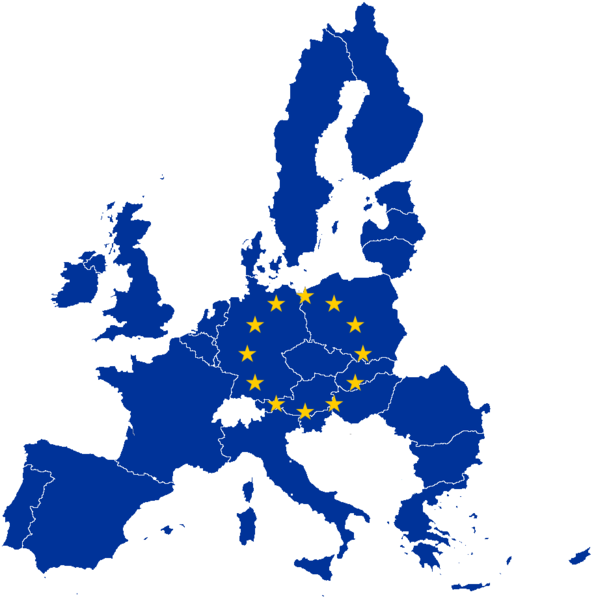
Europe is the old continent and on many occasions this vision can make people think that it is not a dynamic market in which to invest, preferring other emerging economies such as those of Asian, African or Latin American countries. But the truth is that we have 10 countries in Europe to export to many of our products because they enjoy great economic and commercial dynamism.

Europe‘s economy, despite the crisis, continues to be one of the main poles of the world, and the continent located between the Urals and the Atlanticcan be measured in economic terms with the United States on a level playing field. However, not all European countries have the same economic importance and not all of their economies are equally attractive for export. That is why we bring here the ranking of the 10 countries in Europe to export to in 2019


10 razones para formarte en exportación

The 10 countries in Europe to export to in 2019.

  • Switzerland: it is not usually one of the first countries in Europe to export to, but the truth is that it is one of the most dynamic and with a greater ability to pay in the whole European area. In addition, despite not belonging to the EU, it does belong to EFTA , so trade barriers are as low as possible.
  • Germany: Undoubtedly the first or one of the first countries in Europe to export to; the European giant and driving force of the EU is and continues to be one of the main options to consider when making investments and exporting. Spanish products, whether agri-food or industrial, are very well accepted.
  • Finland: This European economy, traditionally linked to the USSR economic area , is one of the best countries in which to export products, as its industry is not sufficiently diversified and its ability to pay is high.
  • United Kingdom: Despite the recent approval of Brexit, everything seems to indicate that the UK will remain part of Europe when it comes to trade. In any case, this is a scenario that will change substantially in the coming months and may present good export opportunities.
  • Norway: Like Switzerland, Norway is not in the EU but is in EFTA. It is another of the best export options and a good EU economy.
  • Belgium: Although Belgium has relatively high taxes on labour, goods and companies do not encounter these obstacles, making the EU host state a good alternative for exporting.
  • Luxembourg: Although a small market, Luxembourg is one of the EU’s largest economies and a good export option.
  • Denmark: The Danish economy is one of the most flourishing economies in the Baltic area and a good option for investment and exports due to its strong dynamism.
  • The Netherlands: An economy very similar to the Belgian economy with a fairly unified and compact market; it is a country very focused on the service sector where it is perfectly possible to compete in this and other sectors.
  • Sweden: One of the most powerful and developed European economies in the world is Sweden, which is an excellent export destination due to the high purchasing power of its citizens.

10 countries in Europe to export to in 2019

In short, these 10 countries in Europe to export to can be an excellent decision. The region is known for its political and economic stability, which makes it an attractive market for many companies. In addition, Europe has a great diversity of consumers and high purchasing power, which means there is great potential for your business to grow.

If you are considering this option, it is important to research country-specific regulations and standards, as well as consumer preferences.

Do you want to export to one of these countries while minimising the risks? Leave it in our hands. Barcelona Export, your export consultancy.

Global wine trends and wine fairs in 2019


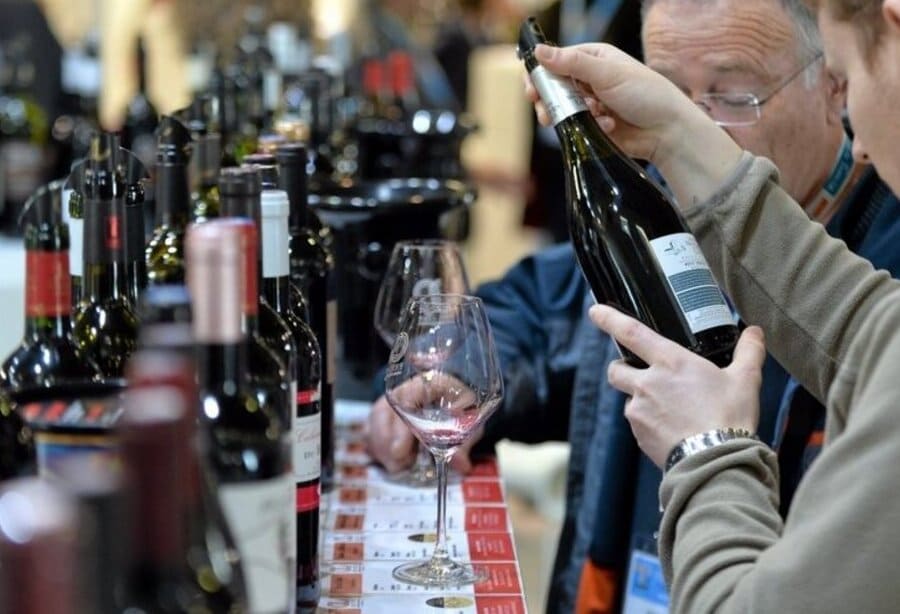
Non-alcoholic wines, Easy drinking wines, Spritzer in a can, vegan or organic wines – these are all relevant keywords in the latest global wine trends, worldwide. While the overall number of wine drinkers is decreasing, the number of non-drinkers, environmentally and health conscious people is increasing. Today, many wineries have adapted to these new patterns and are exchanging their novelties worldwide. In the course of this process, wine fairs have become increasingly valuable, setting global wine trends as they are an excellent way of networking, building brand recognition and spotting new trends.


New players shaping global wine trends and wine fairs

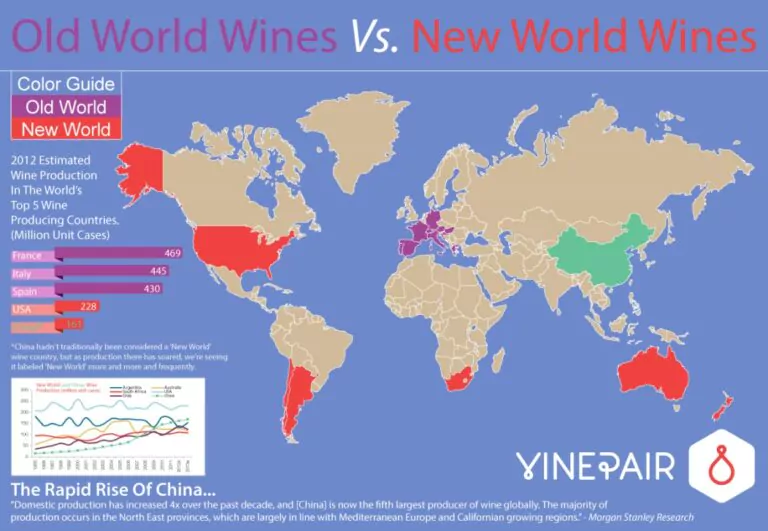
France, Italy and Spain have long been recognised players in the wine industry. In recent years, however, the landscape in this sector has changed dramatically: New World’ countries such as Chile, Australia, South Africa and Argentina have risen to the top positions. However, it is China that has developed the most, not only in terms of production but also in terms of consumption. And global wine trends are set to continue. The country is the world’s largest importer of wine and its growing consumer base makes it an attractive place for producers. Trade fairs have also adapted to this change in the industry and in addition to the most important trade fairs in Europe, also other continents such as Asia and America are becoming more and more interesting and interested in hosting trade events.


The main wine trade fairs are:

Vinitaly, Italy

Italy is not only the country that produces the largest quantities of wine, but also the host of the largest wine fair in the world: Vinitaly brings together more than 4,000 exhibitors and 128,000 visitors from 143 countries (2018) and takes place once a year in Verona, Italy. The next opportunity for guests to participate in conferences, workshops, tastings and other events is from 7 to 10 April 2019. It marks, together with the French and German fairs, the global wine trends.

ProWein, Germany

ProWein, Germany’s largest wine fair, also has a reputation as one of the most important networking events in the world. It is the No. 1 meeting point for professionals from viticulture, production, trade and gastronomy. In 2018, 6,681 exhibitors presented their wines to more than 60,000 visitors. By now, the fair has expanded globally and wine industry experts can visit ProWine China in Shanghai (13-15 November 2019) or ProWine Asia in either Hong Kong (7-10 May 2019) or Singapore (2020). In Europe, the next edition will take place from 17-19 March 2019 in Düsseldorf.

Vinexpo, France

Since 1981, Vinexpo has been connecting wine industry experts to drive sales and stimulate the market. Held in Bordeaux (13-16 May 2019), Hong Kong, Tokyo, Miami and Paris (2020), it is the only wine and spirits trade event held on the three continents with the highest consumption rates. The new ‘Vinexpo Explorer’ format is an exclusive event to promote a specific high-potential region each year.

ExpoVinis, Brazil

South America’s largest wine fair, ExpoVinis, takes place in São Paulo, Brazil, and is often the market entry point for wine producers from abroad. Several South American countries, such as Chile and Argentina, count for the New World in wines, so its importance should not be underestimated. The next edition will take place from 11 to 14 June 2019.

Asia

In addition to ProWine and Vinexpo, the Hong Kong International Wine & Spirits Fair ( HKTDC) couldalso be of interest to wine connoisseurs. The HKTDC is one of the most influential trade fairs in the Asian wine sector, bringing together around 20,000 trade buyers and many more public visitors in 2017. How many people will join the fair from 7 to 9 November 2019?

Good Food & Wine Show, Australia

The Good Food & Wine Show can be visited in Australia, several times a year. Melbourne, Sydney, Perth and Brisbane open their doors to showcase the latest trends in the wine industry.

The global wine trends mark a clear opening to wines from other regions of the world, in addition to France, Spain, Italy and Germany.


Vinisud y Vinovisión

Do you want to export your wines? Let us help you with our export support services.

Entry navigation

How will Brexit affect Spain?


How will Brexit affect Spain?

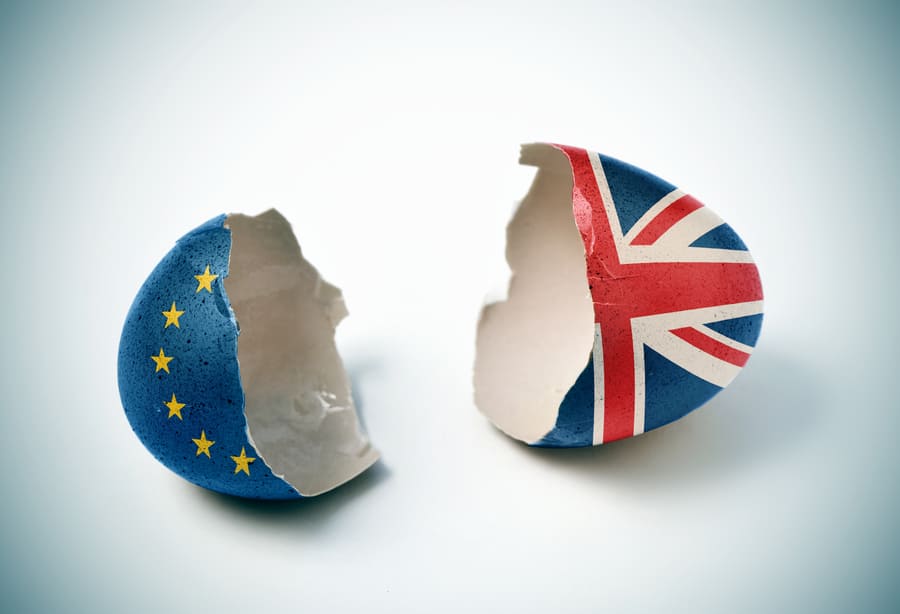
After the postponement of the vote and Theresa May’s statements, Brexit is back in the news and renews the uncertainties that it has been sowing since the beginning of the British process of disengagement with the European Union, leaving that feeling of instability also in Spain where Brexit will affect in different ways that we analyse today.


Why and how the Brexit will affect Spain

Far from being a problem alien to our society and our businesses, Brexit is also a challenge for Spain and for the entire European Union, which has been affected from the start of the process, suffering falls in the stock market, political and economic instability around the time of the referendum and falls in the IBEX.

In the specific case of Spain, the situation has a much more direct influence, added to the commercial relations that exist between all the countries of the European Union, as our country is home to many British citizens and vice versa, as well as having solid commercial relations, especially in industries such as aeronautics, pharmaceuticals, automobiles and foodstuffs.


Investment: the first concern

In recent years Spain has suffered a series of economic ups and downs due to the crisis and has recovered thanks to investments from other European countries, among other things, with the United Kingdom being the fifth country with the highest volume of investment and totalling 63,000 million euros spent in the last 11 years, operations facilitated by the special conditions between countries of the European Union.

These figures benefit our country especially in times of economic weakness, and will fall sharply when Brexit materialises as the investment facilities granted by the special conditions between EU countries will cease to apply.


Tourism and the real estate sector, two of the main sectors to be affected by Brexit

Brexit will have a notable impact on tourism and real estate in Spain, especially in regions that are popular with the British, such as the Costa del Sol and the Balearic Islands.

On the tourism side, many Britons will no longer be able to visit Spain frequently after Brexit due to new travel requirements, such as the need for a passport and possible restrictions on the length of stays. This will lead to a certain decrease in the number of British tourists, although Spain remains an attractive destination due to its climate, culture and gastronomy. Companies in the tourism sector will have to adapt to these changes and attract other markets.

In the real estate sector, Brexit will generate uncertainty among British buyers looking for property in Spain. Some may reconsider their investments due to new regulations and the fluctuation of sterling against the euro. However, despite these challenges, interest in property in Spain will remain strong, especially among those looking for a place to retire or enjoy a more relaxed lifestyle.

In short, both tourism and real estate in Spain will face new challenges after Brexit, but the adaptability of the market and the beauty of the country will continue to attract visitors and investors.


¿Cómo afectará el Brexit a España? How will Brexit affect Spain? Comment le Brexit Comment le Brexit affectera-t-il l'Espagne ? Com afectarà el Bexit a Espanya?

Gibraltar and daily life

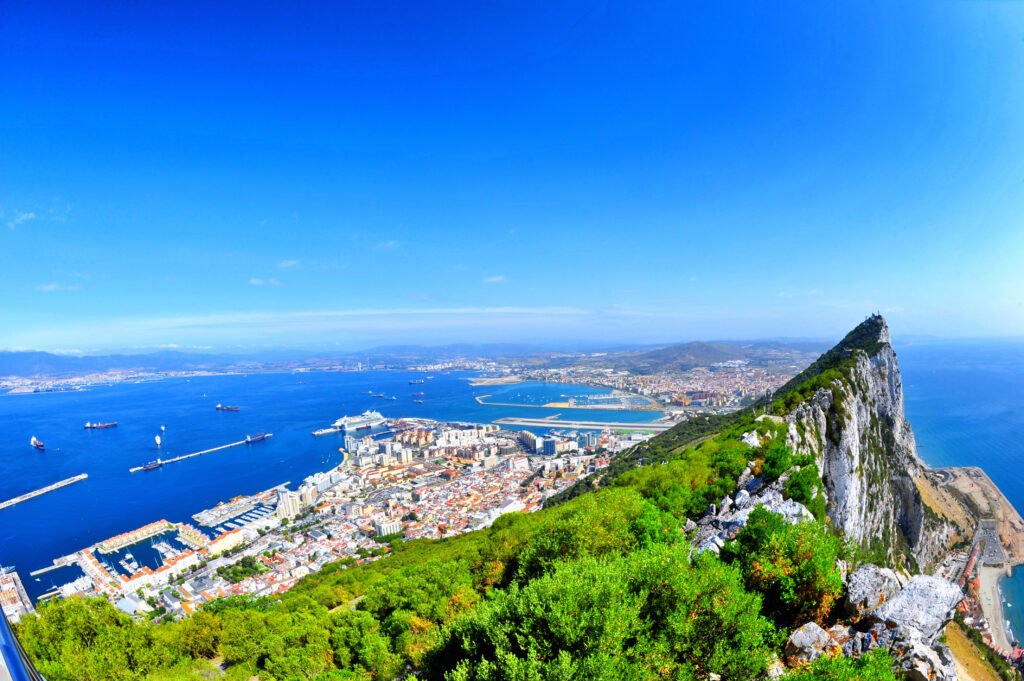
The situation of Gibraltar is one of the most worrying for Spain in reference to the whole Brexit process, as there is a spatially close relationship due to geographical proximity and daily transit across these borders, a complicated issue if the resolution is not well tied between the two countries.

Gibraltar will inevitablyexperience some changes in its daily life after Brexit, although it is expected to remain a vibrant and lively place. The UK’s exit from the European Union will bring with it new regulations and procedures at the border, which will affect residents and those who cross on a daily basis to work or study.

One of the most notable changes will be in mobility. Although Gibraltar will remain part of the UK, the new regulations will make border formalities stricter, which may cause delays. However, the Gibraltarian community will be able to adapt, and many continue to enjoy their lifestyle, which combines British and Mediterranean influences.

In terms of trade, some businesses will have to adjust their operations to comply with the new regulations, but Gibraltar will remain an attractive financial and commercial centre. The local economy will remain resilient, and people will continue to enjoy its rich culture, cuisine and outdoor activities.

In short, although there will be challenges after Brexit, everyday life in Gibraltar will remain vibrant and full of opportunities. The community is very adaptable and will continue to celebrate its unique identity. If you have any further questions or need specific information, we will be happy to help!

Do you need help with your exports to the UK? Barcelona Export has extensive experience in this international market and can help you export your products to this attractive and dynamic country.

The French gastronomy market


The French gastronomy market is very powerful and it might seem that it does not need to do business outside its borders in this sector. The truth is that our country has a lot to offer in this area and the potential market for Spanish gastronomy in France is growing all the time .


El mercado gastronómico en Francia 3
The French gastronomy market 3 
Le marché gastronomique français 3 
El mercat gastronòmic francès 3

Big consumers of cured meats, but small production

This fantastic country is known for its haute cuisine and exquisite pastries of international fame, and for this very reason the French are also great fans of good food and quality products that they can acquire, not only within their borders, but also beyond them, with Italy and Spain being two privileged neighbours in this respect.

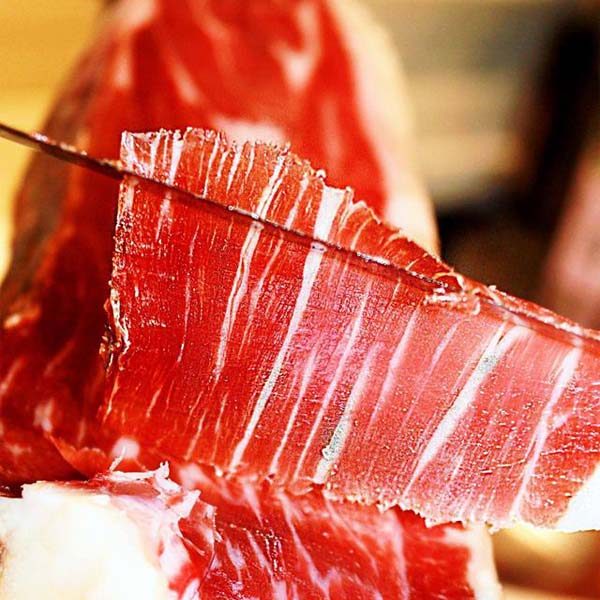
The French gastronomy market is very fond of cured meats, including, of course, ham and all the cured meats with the Iberian surname, which are particularly popular in French kitchens and with end consumers, who are capable of shelling out not inconsiderable sums in exchange for a dose of Iberian cured meat; a market that is not falling and is becoming increasingly valued.

This sector is significant enough to have created direct competitors in the French market itself. The sausage production area is the region of Lyon. Also consumed is Bayonne ham, which is very popular and one of the most consumed in this country, as well as other brands such as Ardennes ham, Auvergne ham or the Italian Parma ham, the latter of higher quality.


El mercado gastronómico en Francia 2 
The French gastronomy market 2 Le marché gastronomique français 2 
El mercat gastronòmic francès 2

Wine, a key element in the French gastronomy market, which links the Mediterranean

The world of oenology is a fundamental part of gastronomy worldwide and is one of the markets with the greatest movement and exchange of goods from one place to another, in which Mediterranean countries are always at the forefront due to our wine-growing tradition.

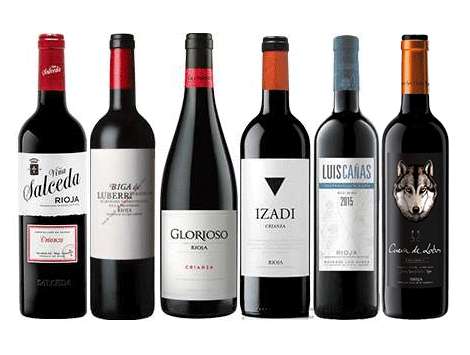
Although there are fantastic wines on the French gastronomy market and they are responsible for popularising champagne in celebrations all over our country and part of the world, France is also a great consumer of Spanish wine and every year the import of Spanish wine increases, especially in large quantities and being the protagonist of different commercial agreements.

It is worth remembering that wine consumption is decreasing in both countries, in Spain the fall is attributed to the application of the points licence and the hardening of traffic laws, given that wine is a regular at dinner or lunch; despite this fact, its price is increasing and good wine is more and more coveted in gastronomy, so the market is changing its shape and is far from being defeated.


El mercado gastronómico en Francia 4 
The French gastronomy market 4 Le marché gastronomique français 4 
El mercat gastronòmic francès 4

Cultural and gastronomic exchanges of the French gastronomy market

Of course! The French gastronomy market is an excellent example of cultural and gastronomic exchanges. France, known for its rich culinary tradition, has influenced and been influenced by various cultures throughout history.

Firstly, The French gastronomy market has incorporated ingredients and techniques from other cuisines. For example, the use of North African spices and flavours, especially in dishes such as couscous, has found a place in French cuisine, especially in cities with a strong immigrant influence, such as Marseille. Likewise, Asian cuisine, particularly Vietnamese and Chinese, has left its mark on French gastronomy, with the popularity of ‘bánh mì’ and ‘woks’ in markets.

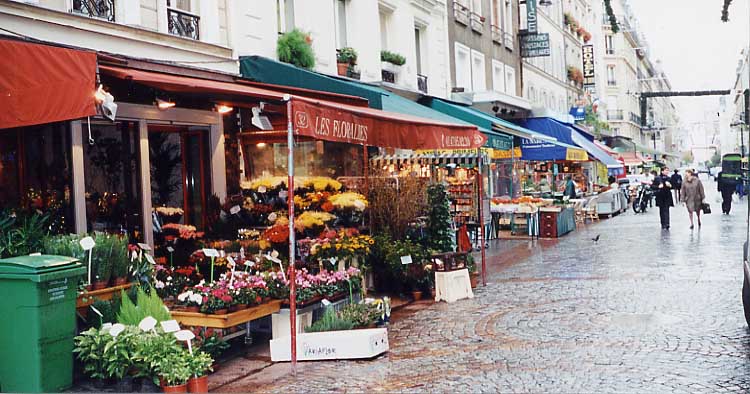
Gastronomy markets in France, such as the famous Rue Cler market in Paris or the Les Halles market, are vibrant spaces where you can find local products, but also influences from other cultures. Here, visitors can enjoy a variety of products, from French cheeses and wines to spices and dishes from other parts of the world. These markets are not only places to buy food, but also to experience cultural diversity through food.


El mercado gastronómico en Francia 5 
The French gastronomy market 5 Le marché gastronomique français 5 
El mercat gastronòmic francès 5

Moreover, French cuisine has had a significant impact on global gastronomy. Chefs around the world have adopted French techniques, such as pastry and classical cuisine, and fused them with their own culinary traditions. This has led to a rich variety of dishes that reflect French influence, but also incorporate local flavours. The French gastronomy market is exported to hundreds of countries.

Finally, events such as the ‘Fête de la Gastronomie’ celebrate the diversity and richness of French cuisine, promoting cultural exchange through workshops, tastings and activities that bring together chefs and food lovers from different backgrounds.


El mercado gastronómico en Francia 6 The French gastronomy market 6 Le marché gastronomique français 6 El mercat gastronòmic francès 6

In short, The French gastronomy market is a melting pot of cultural and gastronomic exchanges, where tradition meets innovation and where diversity is celebrated through food – it’s a fascinating place to explore and enjoy!


Dare to export your food products to the French market with Barcelona Export.

10 reasons for export training


Export training can be really relevant for some positions, departments or companies as it allows staff to learn about a wide range of aspects that are very useful to avoid making certain common mistakes, gain confidence and define a good international strategy.


1 Improving international knowledge

Receiving a good export training will allow you to broaden your international knowledge, so that you will start to know the situation of markets around the world and you will be able to make your plans with a better strategy, improve your results or plan an expansion.


2 Improved negotiation

In addition to commercial or economic contingencies, it is very important for business and human relations to know the keys to each culture and the aspects to take into account, something that you will learn with the export training and that will help you to negotiate differently in each market.


3 Efficiency in your choices

In order to make good business, economic or employment decisions, it is important to have a good background, and training in exporting will give you enough knowledge to choose a good international partner and not make a mistake, as it will determine the success of the business.


4 Successful selection processes

If you are a team, department or company manager you may have to recruit staff on several occasions, especially if you are going to expand internationally; as part of the export training you will learn how to select the best independent sales agents in a foreign market, for example.


5 Best sources and documents

To execute a job successfully it is necessary to handle protocols, information sources and productivity tricks, so work and time will improve when you have been trained in exporting as you will learn which are the sources of information for each market and which is the necessary documentation for exporting.


6 Better knowledge of options

Sometimes we make decisions based on the possibilities we think exist, something that in the workplace can be unproductive. When you do export training you start to learn about the export modalities and the different ways of shipping so you can make the most appropriate choices.


7 Tips and real knowledge

All this information is very good, but it is important to receive it in the context of an export training as it will be the way in which a series of professionals will transfer all the tricks and real ways to apply the knowledge, which is very difficult to do on a self-taught basis.


8 Improved productivity

Thanks to the new approaches, strategies and the new vision of international markets and their logistics, you will have the possibility to be more productive for your company and use more agile methods than other people, who are not trained in the subject, needing less time to adapt to the processes.


9 Better company presentations

One of the important skills you will acquire in the export training will be the ability to make good company presentations with the correct international prospecting and the necessary knowledge to create the desired impact on your target audience.


10 Improving your internationalisation strategy

Thanks to the export training you will know how to design a good internationalisation strategy for your company and you will be able to start moving on another level, which you could not have reached without these notions; a multitude of countries will now be at your disposal.

Thanks to our training courses you will increase your chances of increasing your sales in international markets. In short, export training not only provides you with valuable knowledge, but also equips you with the tools you need to expand your business and increase your sales in the global market. It’s an investment that can pay off big time!


Contact Barcelona Export and discover the catalogue of training courses we can put at your disposal.