Cómo Construir una Estrategia de Exportación Realista | Guía Paso a Paso

Muchas empresas se lanzan a exportar sin edtrategia de exportación clara, sin haber respondido antes a las preguntas básicas: ¿qué productos tienen realmente potencial fuera? ¿quiénes son nuestros clientes ideales en el extranjero? ¿qué mercados priorizamos y por qué? Sin este trabajo previo, la internacionalización se convierte en una sucesión de intentos sueltos, sin dirección ni medición real de resultados.

Construir una estrategia de exportación realista exige un proceso estructurado en tres grandes bloques: un análisis interno de la empresa, un análisis externo del mercado y la competencia, y finalmente la definición de la estrategia y el plan de acción. A continuación te explicamos cada fase con las preguntas clave que debes responder.


1. Análisis interno: ¿de dónde partimos?

El primer paso es describir con honestidad la estrategia de exportación actual de la empresa, su grado de desarrollo y su nivel de penetración en los mercados donde ya está presente. Aquí conviene situarse en un eje claro: ¿la actividad exportadora es ocasional o se trabaja realmente la fidelización de clientes internacionales?

Análisis de productos y servicios para la internacionalización

No siempre se puede —ni se debe— exportar toda la gama de productos. Las preguntas clave en esta fase son:

  • ¿Qué productos o servicios tienen más potencial en mercados internacionales?
  • ¿Son necesarias adaptaciones del producto para cada mercado objetivo, por motivos culturales, climáticos, tecnológicos o religiosos?
  • ¿Qué ventaja competitiva tienen nuestros productos en el ámbito internacional? Aquí un buen estudio de la competencia será imprescindible.
  • ¿Cuál es el coste de adaptación o certificación para los nuevos mercados? Es necesario saber si el producto requiere certificación y cuál es su coste.

Clientes actuales

Antes de buscar clientes nuevos en el exterior, conviene entender bien a los que ya tenemos:

  • ¿De qué sectores son los clientes actuales?
  • ¿Cuántos son y de qué tamaño?
  • ¿Cuáles son los perfiles de los decisores de compra?
  • ¿Qué factores valoran más esos clientes?
  • ¿Cuáles son sus miedos o reticencias?
  • ¿La estrategia actual ayuda realmente a conseguir nuevos clientes?

Mercados actuales

  • ¿Cuáles son los mercados prioritarios actuales?
  • ¿Cómo se realiza la comercialización en esos mercados?
  • ¿La estrategia digital está orientada hacia ellos?

Propuesta de valor

Toda estrategia de exportación necesita una propuesta de valor clara: por qué un producto o servicio resulta atractivo para los mercados internacionales y cómo se diferencia de la competencia. Esto incluye identificar los beneficios clave para el cliente internacional —ventajas funcionales, beneficios económicos, impacto emocional o de marca, cumplimiento normativo— y la capacidad de adaptación a las necesidades locales: personalización según el mercado, soporte técnico, servicio postventa y formación específica para clientes internacionales.

Auditoría de canales digitales y físicos, clave para diseñar una buena estrategia de exportación

Por último, dentro del análisis interno, hay que auditar el plan de acción actual:

  • ¿En qué canales tiene presencia la empresa?
  • ¿Qué acciones concretas se están realizando?
  • ¿Cuál es la inversión en marketing?
  • ¿Qué rendimiento tienen las acciones actuales?
  • ¿De qué recursos humanos se dispone?
  • ¿El plan de acción actual tiene una buena orientación hacia cliente y mercado?
  • Y, de forma específica, una auditoría web: análisis SEO, responsividad, tráfico y errores técnicos.

estrategia de exportación1 Estratègia d'exportació1 Export strategy1 Stratégie d'exportation1

2. Análisis externo: ¿qué está pasando fuera?

Una vez completado el diagnóstico interno para nuestra estrategia de exportación, toca mirar hacia fuera: el sector, los mercados y la competencia.

Tendencias del sector

  • ¿Cómo se está transformando el sector a nivel global?
  • ¿Han aparecido nuevos modelos de negocio?
  • ¿Existen estudios sectoriales relacionados con esta transformación que debamos conocer?

Priorización de mercados

Esta es probablemente la fase más delicada de toda estrategia de exportación, y conviene basarla en criterios objetivos:

  • ¿Qué criterios se pueden utilizar para seleccionar los mercados prioritarios?
  • ¿Cuál es la demanda potencial de nuestros productos o servicios en cada mercado?
  • ¿Qué barreras de entrada existen —legales, arancelarias, normativas, logísticas, culturales— y cómo afectan a cada mercado?
  • ¿Cuáles son los medios de pago más utilizados en cada mercado?
  • ¿Qué canales de venta y distribución son los más efectivos para acceder a cada uno de ellos?

Análisis de la competencia, clave para una buena etrategia de exportación

No se puede entrar en un mercado nuevo sin saber a quién nos enfrentamos:

  • ¿Quiénes son los principales competidores, tanto offline como online, en los mercados objetivo?
  • ¿Cuáles tienen una presencia más destacada?
  • ¿Qué estrategias siguen?
  • ¿En qué canales están presentes?
  • ¿Qué puntos fuertes y débiles tienen sus webs?
  • ¿Por qué palabras clave compiten en los motores de búsqueda?

Sectores objetivo

  • ¿Qué sectores presentan más demanda para nuestros productos o servicios?
  • ¿Qué sectores están creciendo más rápido a nivel internacional?
  • ¿Cuál es el perfil de los clientes potenciales en cada sector objetivo?
  • ¿Cómo se puede adaptar nuestra oferta para responder mejor a las necesidades de cada sector?

DAFO y CAME

Todo este análisis interno y externo debe cristalizar en una matriz DAFO (debilidades, amenazas, fortalezas, oportunidades) y su correspondiente CAME (corregir, afrontar, mantener, explotar), que servirá de puente directo hacia la definición de la estrategia de exportación.


3. Estrategia de exportación y plan de acción

Con el diagnóstico completo, llega el momento de decidir y de pasar a la acción.

Modelo de negocio

  • ¿Se crearán nuevos modelos de negocio para los canales online y offline?
  • ¿Cuáles serán los mercados prioritarios de la estrategia de internacionalización?
  • ¿Qué sectores e industrias se priorizarán?
  • ¿Cómo será el modelo de comercialización —online y offline— y existe riesgo de conflicto de canal?
  • ¿Cómo abordaremos ese conflicto de canal, si se produce?

Buyer personas

Definir con precisión los buyer personas internacionales, apoyándose en herramientas como LinkedIn para identificarlos, es un paso imprescindible para que las acciones comerciales y de marketing tengan foco real.

Definición del plan de nuestra estrategia de exportación: canales, acciones, recursos, proveedores, inversión

Toda estrategia de exportación debe traducirse en un plan de acciones específicas, vinculadas a canales concretos y alineadas con la estrategia internacional definida. Esto implica:

  • Calendarizar las acciones y establecer los equipos responsables de cada tarea concreta.
  • Proponer proveedores específicos para cada acción, junto con la inversión económica aproximada necesaria.
  • Poner en marcha las acciones y programar las campañas correspondientes.

estrategia de exportación2 Estratègia d'exportació2 Export strategy2 Stratégie d'exportation2

Apóyate en las subvenciones disponibles

Si tu empresa está en Catalunya, el programa Catalunya Exporta de ACCIÓ ofrece cupones de hasta 8.000 euros anuales por empresa para financiar el acompañamiento de un asesor internacional acreditado en la construcción de esta estrategia de exportación.

Están dirigidos a pymes con sede operativa en Catalunya que no exporten más del 25% de su facturación, que hayan facturado un mínimo de 250.000 € el año anterior y que dispongan de una web en al menos un idioma extranjero. La empresa dispone de un año y medio para ejecutar su estrategia exportadora, y los cupones se conceden por orden cronológico de solicitud, agotándose habitualmente en poco tiempo. La convocatoria de este año se abrió el 14 de mayo de 2026.


Una estrategia de exportación realista no nace de la intuición ni de copiar lo que hace la competencia: nace de un diagnóstico interno honesto, un análisis externo riguroso del mercado y la competencia, y un plan de acción concreto, calendarizado y con responsables asignados. Solo cuando estas tres piezas están alineadas, la internacionalización deja de ser un experimento y se convierte en una palanca de crecimiento sostenible.

Si quieres que te ayudemos a construir tu estrategia de exportación, en Barcelona Export podemos ofrecerte un análisis personalizado y un plan de acción inicial adaptado a tu realidad.

How to Calculate Your Export Price | Complete Guide

Calculating the export price of a product is one of the most critical—and most frequently improvised—decisions in the entire internationalisation process. Many companies simply calculate their domestic selling price, add “a little extra” to cover transport costs, and launch the product into foreign markets without any further analysis. The result is almost always the same: an export margin that is much lower than expected or a price that the target market is simply unwilling to accept.

Calculating the export price correctly requires finding the right balance between three variables that do not always point in the same direction: ensuring that the price is profitable for your company, acceptable for the distribution channel, and competitive in the target market. In this guide, we explain the complete methodology step by step, with numerical examples so that you can apply it directly to your own products.


1. Calculate the Actual Manufacturing Cost

Before you start exporting—and as the first step in calculating your export price—you need to know exactly how much it costs to manufacture one unit of your product. This manufacturing cost is made up of four elements:

  • Raw materials: the cost of purchasing the materials required to produce one unit.
  • Direct labour: the cost of the employees directly involved in the manufacturing process (machine operators, welders, production workers, etc.), excluding administrative, sales, and management staff.
  • Manufacturing overheads: energy, maintenance, quality control, indirect production staff, and general factory supplies. These costs are not linked to a specific unit but to the production process as a whole.
  • Depreciation and allocated manufacturing overhead: the depreciation of machinery and facilities over their useful life, together with the factory’s fixed costs allocated across total production.

Raw Material Example

To produce 1,000 bottles of wine, you purchase glass (€1,200), corks (€180), and labels (€120), for a total material cost of €1,500.

The raw material cost per unit is:

€1,500 / 1,000 = €1.50 per unit

Direct Labour Example

If you employ 2 production workers during one month with a total allocated labour cost of €6,400, and you manufacture 4,000 units, the direct labour cost per unit is:

€6,400 / 4,000 = €1.60 per unit

Alternatively, labour can be calculated based on production time. If manufacturing one unit takes 12 minutes (0.20 hours) and the operator’s hourly cost is €18/hour, the labour cost is:

€18 × 0.20 = €3.60 per unit

Depreciation Example

A machine costing €100,000 with a useful life of 10 years generates an annual depreciation expense of €10,000, rather than charging the entire investment to the first financial year.

The final formula for calculating the unit manufacturing cost is:

Total manufacturing costs / Number of units produced


Precio de exportación Preu d'exportació Export Price Prix d'exportation

2. Add Export-Specific Costs

This is where many companies make their first major mistake: they forget that export packaging is not the same as packaging for the domestic market. As a result, they fail to account for these costs properly when calculating their export price.

Export packaging serves several purposes: protecting the product, facilitating handling, complying with international regulations, reducing logistics-related damage, and reinforcing your brand image. It can be divided into several levels:

  • Primary packaging: packaging that is in direct contact with the product (bottle, bag, blister pack, food container, etc.).
  • Secondary packaging: groups several individual units together (cardboard boxes, dividers, retail packs, etc.).
  • Export logistics packaging: the most specialised level, including pallets, stretch film, corner protectors, reinforced cartons, and moisture protection.
  • International labelling: labels adapted to the destination market, including the local language, barcodes, CE marking where applicable, nutritional information, and logistics labels.

Practical Example

For an export shipment of 1,000 units, using individual boxes (€0.18), outer cartons (€0.09), pallets (€120), stretch film and protective materials (€80), and labelling (€60):

  • Variable packaging cost per unit: €0.18 + €0.09 = €0.27
  • Additional logistics cost per unit: (€120 + €80 + €60) / 1,000 = €0.26
  • Total export packaging cost: €0.27 + €0.26 = €0.53 per unit

The mode of transport also has a significant impact on packaging requirements. Sea freight requires enhanced moisture protection and stronger structural packaging, whereas air freight prioritises reducing weight and optimising volume.

One of the most common mistakes is to include only the cost of the box and the pallet while overlooking handling costs, additional protective materials, and related logistics expenses. As a result, the actual export margin is often lower than originally expected.


3. Calculate Your Total Export Cost

Once you have calculated your manufacturing cost and your export-specific costs, simply add them together:

Total Export Cost = Manufacturing Cost + Export Costs

Example: €3.20 + €0.60 = €3.80

This is your minimum actual cost before applying any profit margin to determine the appropriate export selling price.


4. Define Your Target Margin

Your profit margin is not an arbitrary figure. It depends on several factors, including the level of commercial risk, the expected sales volume, the commercial effort required, the degree of competition, and the brand positioning you want to achieve in your target market.

The formula is:

Export Price = Total Export Cost / (1 − Desired Margin)

Example: if you want to achieve a 25% margin, your export price would be:

€3.80 / (1 − 0.25) = €5.07

Depending on the agreed Incoterm, this could be your EXW (Ex Works) price or your base selling price.


5. Choose the Right Incoterm

Incoterms® 2020 are the 11 internationally recognised trade rules published by the International Chamber of Commerce (ICC). They define the point of delivery, the transfer of risk, the allocation of costs, and the customs responsibilities between the seller and the buyer.

The most commonly used Incoterms are:

  • EXW (Ex Works): the buyer collects the goods from the seller’s premises.
  • FCA (Free Carrier): the seller delivers the goods to the carrier designated by the buyer.
  • FOB (Free On Board): the seller delivers the goods on board the vessel at the port of origin.
  • CIF (Cost, Insurance and Freight): the price includes transport and insurance up to the destination port.
  • DDP (Delivered Duty Paid): the seller delivers the goods with all costs, duties, and taxes paid.

Each Incoterm affects the final export price.

Example: if your EXW price is €5.07 and international transport costs €0.42, your CIF price becomes €5.49.


Precio de exportación2 Preu d'exportació2 Export Price2 Prix d'exportation2

6. Analyse Your Target Market

Knowing how much it costs to manufacture your product is not enough. You also need to analyse your competitors’ prices, your product’s market positioning, local customers’ price sensitivity, and the typical margins required by the distribution channel in your target market.

At this stage, pricing is validated from the outside in. In other words, your export price should not be based solely on your production costs, but also on external market conditions.

Example: if comparable products in your target market are sold for between €5.20 and €5.60, setting your export price at €6.10 may prove difficult, even if it appears profitable on paper.


7. Calculate the Distribution Channel Price

Your customer is not always the end consumer. In many international markets, the distribution chain follows this structure:

Manufacturer → Importer → Distributor → Retailer

Each intermediary adds its own margin, increasing the final selling price of the product in the target market.

Example: you sell your product for €5.07. The importer applies a 25% margin (bringing the price to €6.34), the distributor adds a 30% margin (€8.24), and the retailer applies a further 40% margin, resulting in a final retail price of €11.54.

If your target market is only willing to pay €9.90, you have a pricing mismatch that must be resolved before launching your product internationally.


LThe Two Perspectives You Must Combine to Set the Right Export Price

The key to an effective export pricing strategy is to work simultaneously with two complementary approaches:

  1. Inside-out approach: Cost → Margin → Export Price. This ensures your business remains profitable.
  2. Outside-in approach: Market Price → Distribution Channel Margins → Maximum Viable Selling Price for Your Company. This ensures your product remains competitive in the target market.

The right pricing decision is achieved when these two approaches converge. Only when the price you need to be profitable matches the price the market is willing to pay do you have a solid and sustainable export pricing strategy.


The Most Common Mistakes When Setting an Export Price

  • Using the same price as in the domestic market, which often results in insufficient export margins.
  • Failing to allocate indirect costs, creating the false impression that the business is more profitable than it actually is.
  • Not calculating the margins required by the distribution channel, which can make the product commercially unviable in the target market.
  • Trying to enter a new market solely by lowering the price—a strategy that rarely succeeds over the long term.

Calculating an export price is not simply a matter of adding a margin to your domestic selling price. It is a structured process that starts with the actual manufacturing cost and extends to the realities of the target market, taking into account export-specific costs, the chosen Incoterm, and the margins required throughout the distribution channel.

Only when the price you need to achieve profitability matches the price the market is willing to pay do you have a solid and sustainable export pricing strategy.

If you would like us to analyse your specific situation, Barcelona Export can help you with a personalised assessment and an initial action plan tailored to your company’s needs.


How to Export Electronic Components and Automotive Technology to France

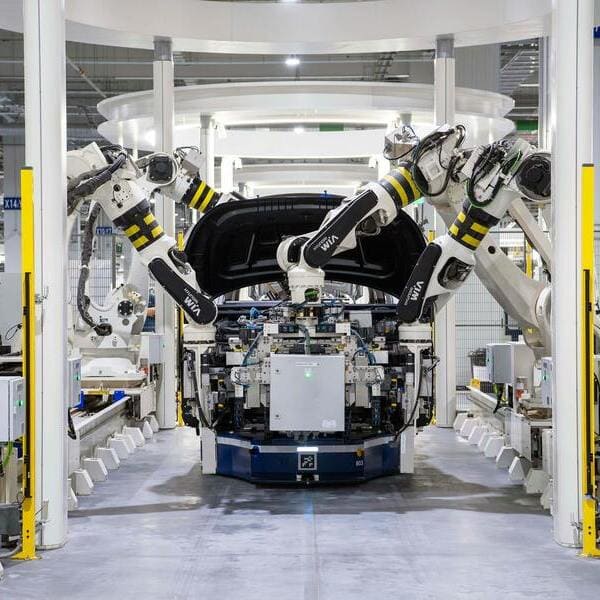
The French government has launched numerous initiatives to promote the transition towards electric vehicles through both fiscal incentives and policies that encourage research and the development of clean technologies. This has created strong demand for specialised electronic components that are essential to the manufacture of electric vehicles, ranging from batteries to energy management systems.

Electronic components play a critical role in ensuring the efficiency, performance, and safety of electric vehicles. These include battery management systems, power inverters, fast-charging systems, cooling systems, and power modules, among others. The French automotive industry is rapidly adopting these technologies, creating a highly promising market for international suppliers seeking to export their products.

Beyond electrification, vehicle digitalisation is also transforming the automotive industry. The widespread adoption of Advanced Driver Assistance Systems (ADAS), intelligent navigation, 5G connectivity, and autonomous driving technologies is accelerating at an unprecedented pace. All of these innovations rely on sophisticated electronic components such as sensors, cameras, Electronic Control Units (ECUs), and microprocessors, which are fundamental to their operation.


Exportar Componentes Electrónicos a Francia 1 Exportar components electrònics a França 1 Exporting electronic components to France 1 Exporter composants électroniques en France 1

1. Opportunities for Exporting Electronic Components to France

The French automotive market offers significant opportunities for companies seeking to export advanced electronic components and automotive technologies. The following are some of the most promising areas for businesses looking to enter this sector.

a) Electric Powertrain Systems and Batteries

Electric vehicles require specialised electronic components that enable efficient energy management, fast charging capabilities, and battery optimisation. Companies manufacturing technologies such as fast battery chargers, power inverters, Battery Management Systems (BMS), and battery recycling solutions are likely to find a highly receptive market in France, where demand for these components continues to grow steadily.

b) Sensors and Autonomous Driving Technologies

Autonomous driving represents one of the most dynamic areas of innovation within the automotive sector, and France is making substantial investments in the development of self-driving vehicles. Autonomous vehicles rely heavily on sophisticated electronic components such as LiDAR sensors, high-definition cameras, radar systems, and data processing units. Suppliers offering these advanced technologies have significant opportunities to enter the French market and collaborate with vehicle manufacturers and technology companies engaged in autonomous mobility projects.

c) Connectivity and In-Vehicle Infotainment Systems

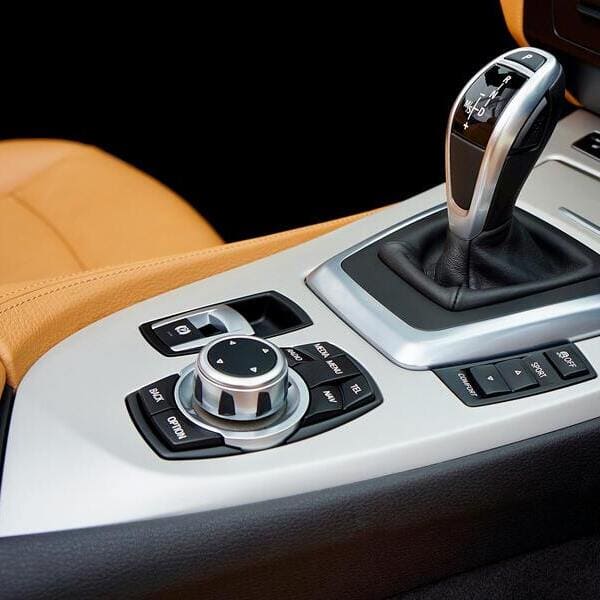
5G connectivity, advanced navigation systems, and in-vehicle infotainment technologies are becoming increasingly important features in modern vehicles. Companies producing electronic components such as communication modules, smart antenna systems, touchscreen displays, and data processors for these applications have considerable growth potential in the French market, which is rapidly embracing these technologies.

d) Advanced Driver Assistance Systems (ADAS)

Advanced Driver Assistance Systems (ADAS), including automatic emergency braking, blind-spot detection, and parking assistance technologies, require highly precise and reliable electronic components. France is at the forefront of adopting these technologies in new vehicle models, creating valuable opportunities for manufacturers of the sensors, cameras, and control units required to support these systems.


Exportar Componentes Electrónicos a Francia 2 Exportar components electrònics a França 2 Exporting electronic components to France 2 
Exporter composants électroniques en France 2

2. Regulations and Standards in France: Entering the Automotive Electronics Market

Before exporting electronic components and advanced technologies to France, it is essential to understand the local regulatory framework governing the automotive industry. As a member of the European Union, France applies European regulations covering electronic components and vehicle safety systems.

One of the key regulations exporters must consider is the General Data Protection Regulation (GDPR), which affects connected vehicle systems and the collection and processing of user data. In addition, stringent vehicle safety and emissions regulations apply, meaning that electronic components must comply with European Union standards before they can be marketed within the country.


3. Strategies for Exporting Electronic Components to France

To succeed in the French automotive market, companies should adopt a robust market entry strategy. Key recommendations include:

  • Establishing strategic partnerships with local vehicle manufacturers, technology suppliers, and research and development organisations.
  • Ensuring quality certification and full compliance with European regulations so that products meet all applicable market requirements.
  • Adapting products to the specific needs of the French market, which may involve modifications to the design and functionality of electronic components.
  • Participating in specialised automotive technology trade fairs and exhibitions, such as the Paris Motor Show, to showcase innovation and establish valuable business relationships.

4. Conclusion

The French automotive market offers substantial opportunities for the export of advanced electronic components and technologies. As the industry continues its transformation towards electrification, autonomous driving, and digital connectivity, demand for sophisticated electronic components is increasing rapidly.

Companies seeking to capitalise on these opportunities must ensure compliance with European regulations, establish strong partnerships with local stakeholders, and deliver products that support innovation and sustainability across the automotive industry.

France represents a strategic market for exporters of electronic components seeking to position themselves at the forefront of the future of mobility and the next generation of automotive technologies.

Export

How to export

We are international multi-sector consultants specialising in how to export to European and North African markets.

Imagen cabecera círculos

Markets

We specialise in the European and North African markets, particularly the French-speaking markets, i.e. France, Switzerland, Belgium, Luxembourg in the European Union and the Maghreb (Morocco, Tunisia and Algeria) in North Africa.

Sectors

We are international multi-sector consultants, although we highlight our strong specialisation in industrial subcontracting, furniture, decoration, construction materials and hardware. We have also carried out many projects in the wine, food, chemical, cosmetics, agriculture, oil and gas, laboratory and instrumentation, pharmaceutical, industrial machinery, textile and graphic arts sectors, among others.